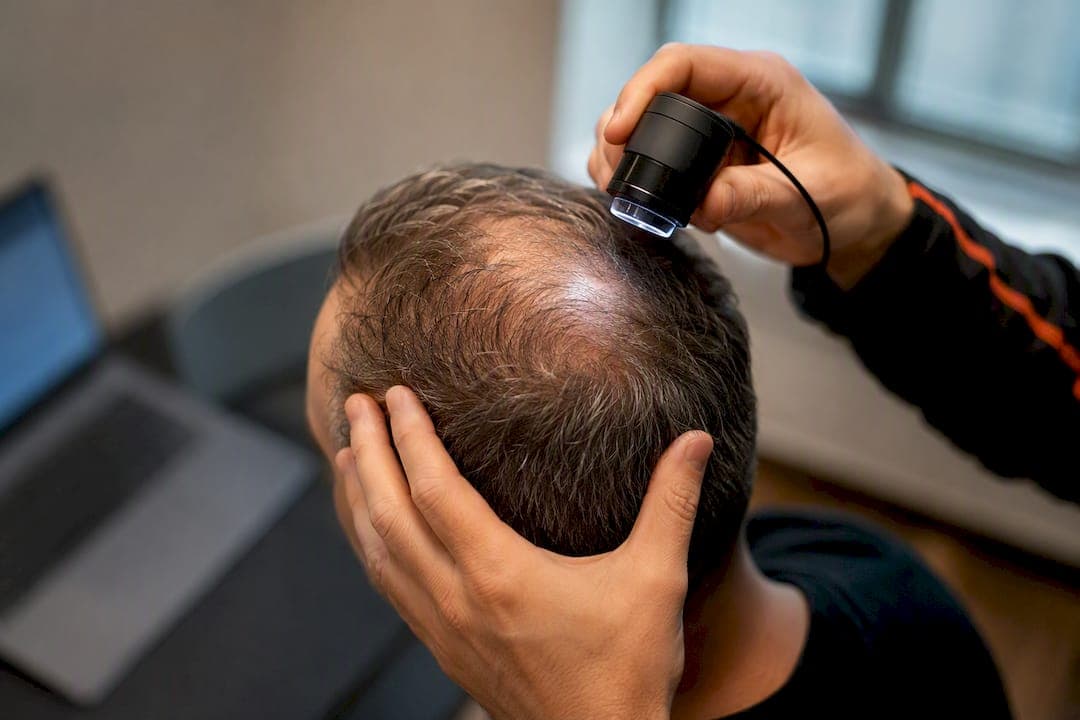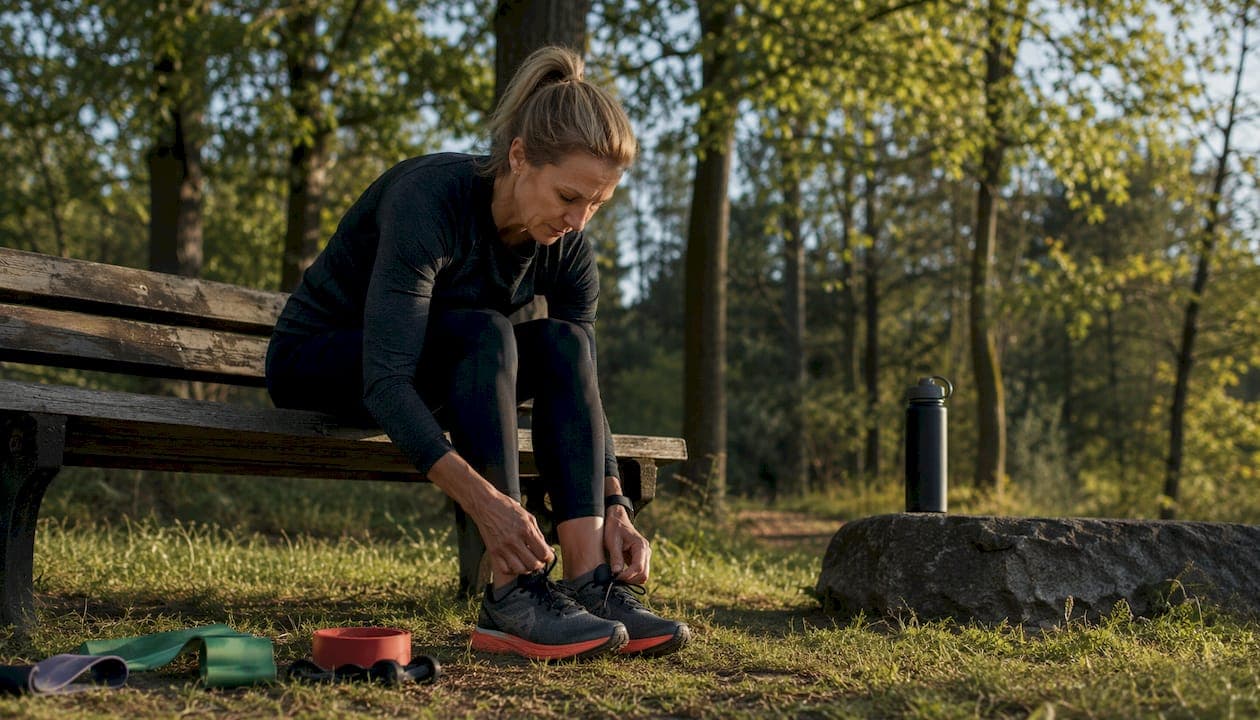
If you're over 40 and your recovery has stalled, your belly fat won't budge, and your training feels like it's working against you, cortisol is almost certainly part of the problem. The fix isn't more willpower or a harder program. It's a recovery-first protocol built around sleep, steady fueling, targeted strength work, and objective monitoring.
Here's what to do in the next 72 hours:
- Set a fixed sleep window. Pick a bedtime and wake time you can hit seven days a week. Aim for 7–9 hours. This is the single highest-leverage cortisol intervention you have.
- Eat within 60 minutes of waking. A protein-containing meal (30+ grams) stabilizes blood glucose and blunts the morning cortisol spike.
- Cut one HIIT session this week. Replace it with a 30-minute walk or mobility session. You're not going backward. You're buying recovery capacity.
- Add 6 minutes of slow breathing daily. Six breaths per minute, morning or evening. That's it. Research shows this reduces cortisol in lab settings.
- Download a free HRV app (HRV4Training or Elite HRV) and start logging your morning reading. You need a baseline before you can make smart decisions.
In 1–4 weeks, expect better sleep quality, less morning grogginess, and more consistent energy through workouts. In 8–12 weeks, you'll see measurable changes in training performance, waist circumference, and body composition. The mechanism is real: lower chronic cortisol means better muscle retention, reduced visceral fat deposition, and faster recovery between sessions.
Pro Tip: Don't try to fix everything at once. Pick sleep and one fueling change first. Those two levers move the needle faster than any supplement.
Table of Contents
- Why cortisol hits differently after age 40
- How chronic cortisol harms recovery, performance, and body composition
- What signs suggest your cortisol and recovery are out of balance?
- Which workouts help recovery after 40, and which ones backfire?
- How to plan deloads and use recovery tools for midlife gains
- Nutrition strategies that protect recovery and lower cortisol triggers
- Sleep hygiene and breathing tools that reliably lower cortisol
- How long does it take to see real changes in recovery and body composition?
- Ironatforty's 8-week recovery-first plan for people over 40
- Key Takeaways
- Recovery beats willpower every time in midlife
- Useful sources and tools for deeper reading
- FAQ
Why cortisol hits differently after age 40
Cortisol is your primary stress hormone, produced by the adrenal cortex and regulated by the hypothalamic-pituitary-adrenal (HPA) axis. In short bursts, it's useful. It mobilizes glucose, sharpens focus, and gets you through a hard training session. The problem after 40 is that the bursts get longer and the recovery between them gets shorter.
Research confirms that cortisol increases with aging, with middle-aged men showing higher basal cortisol concentrations than younger men. Two things drive this. First, declining sex steroids. Testosterone in men and estrogen in women both buffer HPA-axis reactivity. As those hormones drop, cortisol responses to the same stressor become larger and last longer. Women in perimenopause lose estrogen's buffering effect on the HPA axis entirely, prolonging cortisol responses after stressors. Second, cumulative life stress. Work, family, financial pressure, and poor sleep stack on top of training stress. Your body doesn't distinguish between a difficult meeting and a hard deadlift session. It just keeps the cortisol tap open.
"Cortisol, the primary stress hormone, is a steroid belonging to the glucocorticoid family, produced and released by the zona fasciculata of the adrenal cortex. Studies exploring the impact of age on cortisol have shown that cortisol increases with human aging." — PMC Review on Exercise and Glucoregulatory Hormones
The practical consequences are immediate. Elevated cortisol suppresses appetite regulation (then triggers cravings later), impairs sleep architecture, slows tissue repair, and shifts fat storage toward the abdomen. For lifters over 40, this isn't abstract. It shows up as workouts that feel harder than the numbers justify, soreness that lingers three days instead of one, and a waistline that doesn't respond to the same deficit that worked five years ago. For a deeper look at how training after 40 changes physiologically, Ironatforty's guide on training after 40 covers the full picture.
How chronic cortisol harms recovery, performance, and body composition
The mechanism isn't complicated, but most people miss the middle steps. Here's the sequence:
- Stressor (training, work, poor sleep) → HPA axis activates → cortisol rises
- Elevated cortisol → liver releases glucose → blood sugar spikes → insulin rises
- Chronic insulin elevation → promotes fat storage, particularly in visceral depots
- Cortisol-driven muscle catabolism → breaks down muscle protein for glucose → reduces lean mass → lowers resting metabolic rate
- Reduced lean mass + visceral fat accumulation → slower recovery, worse insulin sensitivity, harder fat loss
Visceral fat isn't just a storage problem. It has a higher density of cortisol receptors than subcutaneous fat, and it contains an enzyme called 11β-HSD1 that regenerates active cortisol locally. This means belly fat literally produces more cortisol in place, creating a self-reinforcing loop. You're stressed, you store visceral fat, the fat generates more cortisol, you store more fat.
On the performance side, the damage is just as concrete. Cortisol suppresses testosterone and IGF-1, the two hormones most responsible for muscle protein synthesis and recovery. When cortisol stays elevated between sessions, you're not rebuilding. You're treading water or losing ground. This is why hormones and recovery in older adults deserve more attention than most mainstream fitness content gives them.
What signs suggest your cortisol and recovery are out of balance?
You don't need a lab test to suspect a problem. These are the patterns worth paying attention to:
Subjective signs:
- Persistent fatigue even after a full night's sleep
- Central fat gain that doesn't respond to diet changes
- Training performance dropping over two or more consecutive weeks
- Sleep fragmentation, especially waking between 2–4 AM
- Carbohydrate cravings in the evening, mood swings mid-afternoon
Objective checks: 6. HRV trending downward over 7–14 days (not just one bad morning) 7. Resting heart rate elevated 5–8+ beats above your personal baseline 8. Training log showing consistent drops in working weight, velocity, or volume tolerance 9. Cortisol Awakening Response (CAR) saliva sampling (0, 30, 60 minutes after waking) showing a blunted or exaggerated response
Single serum cortisol tests are less useful than most people think. A one-off blood draw captures one moment in a hormone that fluctuates dramatically across the day. CAR saliva sampling gives a far more sensitive picture of daily stress load and training tolerance.
Red flags that need a clinician, not a training tweak: rapid unexplained weight gain, round face and fat redistribution to the upper back (Cushingoid features), or if you're on chronic corticosteroid medications. These require medical evaluation, not a deload week.
Pro Tip: Start a simple training log this week. Record your working sets, weights, and a 1–10 energy rating. Two weeks of data tells you more than any single cortisol test.
For a detailed breakdown of how to distinguish overreaching from overtraining, Ironatforty's article on overreaching vs. overtraining is worth reading alongside this one.
Which workouts help recovery after 40, and which ones backfire?
The short answer: strength training done right helps. Chronic high-volume HIIT hurts. The nuance is in the dose.
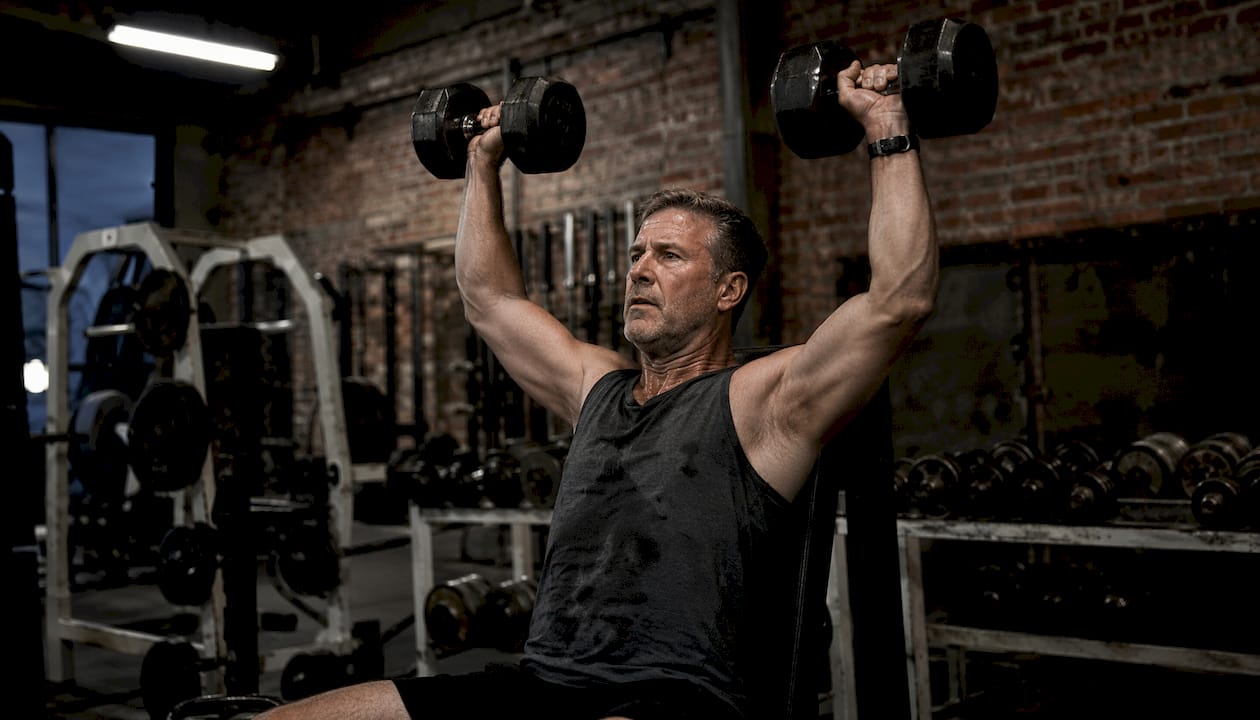
A systematic review and network meta-analysis of 44 studies found that exercise reduces cortisol in a non-linear dose–response pattern, with maximal average benefit around 530 MET-minutes per week. Mind–body practices like yoga and qigong showed the largest effect sizes. HIIT, by contrast, can increase cortisol acutely and tends to have weaker sustained cortisol-reduction effects. For midlife lifters already carrying high non-training stress, frequent HIIT is usually not recommended.
| Training Type | Cortisol Effect | Recommendation for Over 40 |
|---|---|---|
| Strength training (under 60 min) | Neutral to mildly anabolic when dosed correctly | 2–3 sessions per week, prioritize |
| Moderate aerobic (walking, cycling) | Reduces cortisol at appropriate doses | 2 sessions per week, 30–45 min |
| Mind–body (yoga, qigong) | Largest cortisol-reduction effect size | 1–2 sessions per week |
| High-volume HIIT | Acutely raises cortisol; weaker long-term reduction | Limit to 1 session per week maximum |
| Long-duration cardio | Significant cortisol elevation | Avoid unless trained for endurance events |
Keeping strength sessions under 60 minutes is a practical rule that reduces prolonged post-exercise cortisol elevation while still stimulating muscle protein synthesis. Going longer doesn't build more muscle after 40. It just extends the cortisol window.
Sample week template:
- Monday: Strength (45–55 min, compound focus)
- Tuesday: 30-min walk or light mobility
- Wednesday: Strength (45–55 min)
- Thursday: Yoga or slow-paced cycling (30–40 min)
- Friday: Strength (45–55 min)
- Saturday: Active recovery (hiking, swimming, easy movement)
- Sunday: Full rest
Warning signs training is becoming counterproductive: you dread sessions you used to enjoy, your warm-up sets feel like working sets, and your sleep quality drops the night after training.
Pro Tip: Treat training load as a daily nervous-system budget. When work or life stress is high, swap an intense session for a 30-minute walk. You're not losing fitness. You're protecting the cortisol-to-testosterone balance that makes the next hard session actually work.
How to plan deloads and use recovery tools for midlife gains
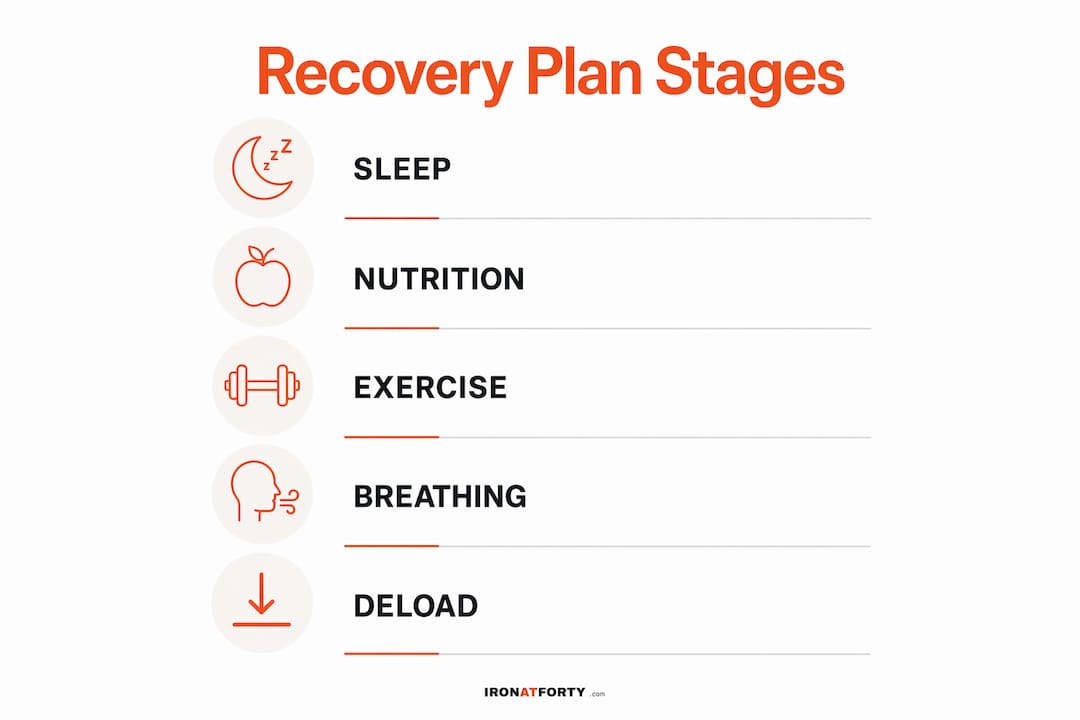
A deload week isn't a rest week. It's a structured reduction in training stress that lets your nervous system and connective tissue catch up to the work you've been doing. For lifters over 40, a deload every 4–6 weeks is a reasonable default. Some people need one every 3 weeks. Your HRV and training log tell you which camp you're in.
How to structure a deload week:
- Reduce training volume by 40–50% (fewer sets, not fewer sessions).
- Drop working weights to 60–70% of your normal loads.
- Keep session frequency the same to maintain the habit.
- Replace one session with yoga, swimming, or a long walk.
- Prioritize sleep and nutrition as if it were a competition week.
HRV and resting heart rate monitoring:
- Check HRV every morning before getting out of bed, same time, same position.
- A single low reading means nothing. A 7-day downward trend means something.
- If your resting heart rate is consistently 5–8 beats above your personal baseline for more than five days, treat it as a deload trigger.
Decision rules:
- Two consecutive weeks of declining training performance → schedule a deload immediately.
- HRV declining for 10–14 days with no obvious cause → deload now, not next week.
- Illness, major life stressor, or travel week → treat the week as a deload automatically.
- Feeling great, HRV stable, performance up → stay the course, schedule the next deload in 3–4 weeks.
Pro Tip: The periodization approach that works best after 40 is undulating, not linear. Vary intensity week to week rather than grinding up a straight ramp. Your recovery capacity isn't 25 anymore.
Nutrition strategies that protect recovery and lower cortisol triggers
The biggest fueling mistake over 40 is treating fat loss as purely a calorie math problem. Aggressive caloric restriction in already-stressed midlife adults elevates cortisol and can actively impede fat loss by promoting muscle breakdown and visceral fat retention. A moderate, sustainable deficit with adequate protein is the better path.
| Fueling Rule | Why It Matters | Practical Target |
|---|---|---|
| Protein at every meal | Blunts cortisol-driven muscle catabolism | 0.8–1 g per pound of bodyweight daily |
| Eat within 60 min of waking | Stabilizes blood glucose, reduces morning cortisol spike | 30+ g protein at breakfast |
| Include carbs around training | Supports glucose availability, blunts post-exercise cortisol | 30–50 g low-glycemic carbs pre or post session |
| Avoid prolonged fasting during high-stress periods | Fasting is a physiological stressor that raises cortisol | No long fasts when life stress is high |
| Moderate deficit only | Severe restriction raises cortisol and slows fat loss | 300 calorie deficit maximum |
For practical meal prep strategies that make consistent protein intake realistic, Ironatforty's meal prep guide for strength athletes over 40 is a good starting point. And if you don't know your maintenance calories, use the TDEE calculator before you set a deficit.
Bloodwork worth checking if recovery is consistently poor: iron and ferritin (low iron tanks energy and training tolerance), vitamin D (deficiency impairs muscle function and sleep quality), and TSH (thyroid dysfunction mimics overtraining symptoms). These aren't cortisol tests, but they're the most common nutritional factors that compound cortisol's effects on recovery. Loop in a clinician or registered dietitian if any of these come back out of range.
Adaptogens are worth a brief mention. Ashwagandha (specifically the KSM-66 extract) has randomized controlled trial evidence for modest cortisol reductions in some populations. Phosphatidylserine has similar evidence for blunting exercise-induced cortisol spikes. Effects are real but modest. Think of them as a 5–10% edge on top of solid sleep, fueling, and training habits, not a replacement for any of those.
Pro Tip: If you're eating less than 1,600 calories and still not losing fat, the problem is almost certainly cortisol-driven muscle loss and water retention, not insufficient restriction. Eat more protein, add a deload, and reassess in three weeks.
Sleep hygiene and breathing tools that reliably lower cortisol
Sleep is where cortisol resets. Disrupt it and nothing else in this plan works as well as it should.
Sleep checklist:
- Fix your sleep and wake times, even on weekends. Circadian consistency lowers cortisol more reliably than any supplement.
- No caffeine after 1–2 PM. Caffeine has a half-life of 5–6 hours. A 3 PM coffee is still half-active at 8 PM.
- No alcohol within 3 hours of bed. Alcohol fragments sleep architecture and suppresses REM, the phase most important for hormonal recovery.
- Keep your bedroom cool (65–68°F), dark, and screen-free for 30 minutes before sleep.
- For women in perimenopause, sleep disruption from night sweats and temperature dysregulation is a direct cortisol driver. Ironatforty's guide on how menopause affects strength training covers specific strategies for this.
Breathing and parasympathetic tools:
Slow-paced breathing at approximately six breaths per minute activates the vagus nerve and directly suppresses HPA-axis activity. Lab research confirms cortisol-lowering effects with this practice. The protocol is simple: inhale for 5 seconds, exhale for 5 seconds, repeat for 6–12 minutes. Do it in the morning before checking your phone, or in the evening before bed.
Yoga and qigong go beyond passive relaxation. They provide active parasympathetic training through controlled movement and breath, which gives the nervous system direct feedback to shut off the stress alarm. This is why the network meta-analysis found mind-body practices outperforming other exercise modalities for cortisol reduction. Passive relaxation (watching TV, scrolling) doesn't produce the same neural effect.
Social connection also has cortisol-lowering evidence. Spending time with people you trust, in person, reduces cortisol more than most people expect. It's not soft advice. It's physiology.
Pro Tip: Set a phone alarm labeled "breathe" for 9 PM. Six minutes of slow breathing before bed costs nothing and compounds over weeks. Pair it with a consistent lights-out time and you've built the two most powerful cortisol-lowering habits available.
How long does it take to see real changes in recovery and body composition?
Realistic timelines matter. Impatience is what drives people back to aggressive restriction or more training volume, both of which make the cortisol problem worse.
Here's what the evidence and clinical experience suggest:
- 1–3 weeks: Sleep quality improves, morning energy stabilizes, cravings reduce. These are the first signals the protocol is working.
- 2–6 weeks: HRV trends upward, resting heart rate drops toward baseline, training performance stabilizes and begins improving.
- 8–12+ weeks: Measurable changes in waist circumference and visceral fat. Body composition shifts require sustained hormonal change, not just a few good nights of sleep.
"Middle-aged people often mislabel overtraining symptoms as 'aging' when they reflect chronic cortisol dysregulation. HRV and performance markers can detect trouble earlier than symptoms appear." — PMC Practitioner Guidance
Metrics worth tracking:
- Training performance: working weight and volume per session (the most sensitive early indicator)
- HRV: 7-day rolling average, not daily values
- Resting heart rate: morning, before getting up
- Waist circumference: measure monthly, same time of day
- Sleep quality: a simple 1–10 subjective score each morning
The rule is this: track trends, not data points. One bad HRV morning after a poor night's sleep tells you nothing. Ten days of declining HRV tells you everything. Don't overreact to noise. Don't ignore a sustained signal.
For a more precise view of your daily stress load, CAR saliva sampling (three samples at 0, 30, and 60 minutes after waking) gives a better picture than a single blood draw and can reveal sub-threshold overtraining before you feel it in the gym.
Ironatforty's 8-week recovery-first plan for people over 40
This plan integrates everything above into a usable structure. It's not a rigid prescription. It's a framework you adjust based on your HRV, performance, and life stress.
Weeks 1–2: Establish baselines
- Set your fixed sleep window and start logging HRV every morning.
- Use the TDEE calculator to find your maintenance calories. Set a 300–400 calorie deficit, no more.
- Train 3 days per week, strength focus, sessions capped at 55 minutes.
- Add one 30-minute walk and one yoga or mobility session.
- Start the 6-minute breathing practice daily.
Weeks 3–4: Build the habit stack
- Review your HRV trend. If it's stable or rising, you're on track.
- Add one additional low-intensity session (cycling, swimming, easy hiking).
- Confirm protein intake is hitting 0.8–1 g per pound of bodyweight.
- Check sleep consistency. Are you hitting your window 6 out of 7 nights?
Week 5: Planned deload
- Reduce training volume by 40–50%. Keep the same session days.
- Drop working weights to 65–70% of your recent loads.
- Replace one strength session with yoga or a long walk.
- Use this week to assess: how does your body feel with less load? That's information.
Weeks 6–8: Progressive rebuild
- Return to full training volume. Use your 1RM estimates to set working weights accurately.
- Apply the decision rules: if HRV drops for 10+ days, deload again. If performance is climbing, stay the course.
- Reassess waist circumference and training log at the end of week 8.
-
If you're not seeing progress by week 8, check bloodwork (iron, vitamin D, TSH) before adding more training stress.
-
Consider ashwagandha KSM-66 if sleep and stress management are solid but cortisol symptoms persist.
-
For body recomposition context alongside this plan, the body recomposition guide from HTK Training is worth reading.
-
If symptoms suggest a clinical cortisol disorder (rapid weight gain, Cushingoid features, severe fatigue unresponsive to lifestyle changes), see your physician before continuing.
Pro Tip: The plan works best when you treat week 5 as non-negotiable. Most people skip the deload when they're feeling good. That's exactly when it matters most. You're banking recovery capacity for the weeks ahead.
Ironatforty's nutrition resources cover the fueling side of this plan in more depth, including meal timing, protein distribution, and strategies for managing insulin resistance after 40.
Key Takeaways
Managing cortisol and recovery over 40 requires a recovery-first protocol combining sleep consistency, moderate fueling, targeted strength work under 60 minutes, planned deloads every 4–6 weeks, and daily objective monitoring through HRV and training performance.
| Point | Details |
|---|---|
| Sleep is the top lever | A fixed 7–9 hour sleep window lowers cortisol more reliably than any supplement. |
| Fueling protects muscle | Eat 0.8–1 g protein per pound daily and avoid big calorie deficits to prevent cortisol-driven catabolism. |
| HIIT needs a limit | Cap high-intensity interval sessions at one per week; mind-body and strength work produce better cortisol outcomes. |
| Deload every 4–6 weeks | Reduce volume by 40–50% for one week; use HRV and training performance to decide when to trigger early. |
| Expect 8–12 weeks for fat changes | Sleep and energy improve in 1–3 weeks; waist and body composition changes require sustained hormonal improvement over 8–12+ weeks. |
Recovery beats willpower every time in midlife
Here's the uncomfortable truth most fitness content won't tell you: the people over 40 who keep making progress aren't the ones training hardest. They're the ones recovering best.
The conventional approach to midlife fat loss is to eat less and train more. That logic works at 25. After 40, with declining sex steroids, accumulated life stress, and a nervous system that takes longer to reset, it often backfires. You push harder, cortisol climbs, muscle breaks down, visceral fat holds on, and you conclude you need to try even harder. The cycle is self-defeating.
What actually works is less dramatic and more sustainable. Consistent sleep. Enough protein. Strength sessions that stop before they become cortisol events. Planned deloads that feel too easy. A breathing practice that takes six minutes. These aren't soft interventions. They're the inputs that keep the hormonal environment favorable for muscle retention and fat loss over months and years, not just weeks.
The monitoring piece matters more than most people realize. HRV and training logs don't lie. When you have objective data showing a two-week downward trend, you stop arguing with yourself about whether you need a deload. You just take it. That's the shift from training by feel to training by evidence, and it's what separates lifters who keep progressing at 45, 50, and beyond from those who plateau and blame age.
Ironatforty exists because this kind of evidence-based, recovery-aware guidance shouldn't require a personal coach. Use the tools, track the trends, and trust the process.
Useful sources and tools for deeper reading
The claims in this article draw from peer-reviewed research and practitioner-level guidance. Here are the primary sources and tools worth bookmarking.
| Source | What It Supports |
|---|---|
| PMC: Exercise and Glucoregulatory Hormones | Cortisol changes with aging; resistance and endurance training effects on cortisol in older adults |
| MDPI Network Meta-Analysis | Optimal exercise dose for cortisol reduction; mind-body vs. HIIT comparison; non-linear dose-response |
| PMC: Cortisol Monitoring and Training Tolerance | CAR saliva sampling methodology; HRV and performance monitoring for sub-threshold overtraining |
| Springer: Anabolic Hormones and Exercise Over 40 | Testosterone, IGF-1, and cortisol responses to training in adults over 40 |
| BBC Science Focus: Slow Breathing and Cortisol | Slow-paced breathing at 6 breaths/min; mindfulness and cortisol-lowering evidence |
Ironatforty tools for applying this plan:
- TDEE Calculator: Set your calorie baseline before choosing a deficit.
- Training and Nutrition Tools: 1RM calculator and additional resources for load management.
- Effective Training Programs for Adults Over 40: Program templates built around recovery-first principles.
- Protein Intake Guide for Muscle Over 40: Practical protein targets and timing for muscle retention.
This article is general information, not medical advice. Confirm any clinical concerns, supplement use, or significant dietary changes with your physician or a registered dietitian.
FAQ
What are the symptoms of cortisol dysregulation after 40?
Persistent fatigue despite adequate sleep, central belly fat that won't shift, poor training recovery, sleep fragmentation (especially waking at 2–4 AM), afternoon energy crashes, and carbohydrate cravings are the most common signs. A sustained downward HRV trend and elevated resting heart rate are the most reliable objective markers.
How do you get rid of cortisol belly fat?
Cortisol belly responds to sustained hormonal change, not just calorie restriction. Prioritize 7–9 hours of consistent sleep, keep training sessions under 60 minutes, eat adequate protein (0.8–1 g per pound of bodyweight), and avoid aggressive calorie deficits. Expect measurable waist changes in 8–12+ weeks of consistent practice.
How do you restore cortisol balance naturally?
Fix sleep first (consistent window, no alcohol or caffeine late), add 6 minutes of slow-paced breathing daily, reduce HIIT frequency to one session per week maximum, and schedule a deload week every 4–6 weeks. These four changes address the most common cortisol drivers in midlife adults.
How do you manage cortisol levels after 40 with exercise?
Keep strength sessions under 60 minutes, limit high-intensity interval work to once per week, and add one or two mind–body sessions (yoga, qigong) weekly. A systematic review found optimal cortisol reduction at about 530 MET-minutes per week, with mind–body practices showing the largest effect sizes.
How long does it take to see results from cortisol management?
Sleep quality and energy typically improve within 1–3 weeks. HRV and training performance stabilize and improve in 2–6 weeks. Visible changes in waist circumference and body composition generally require 8–12+ weeks of sustained lifestyle changes.