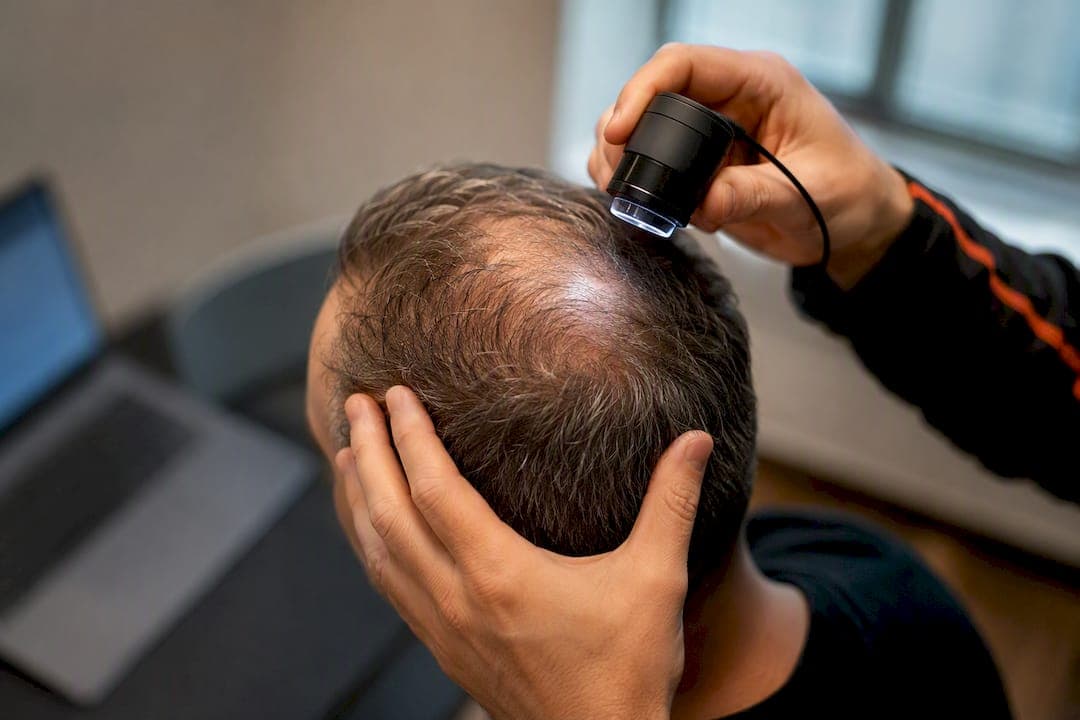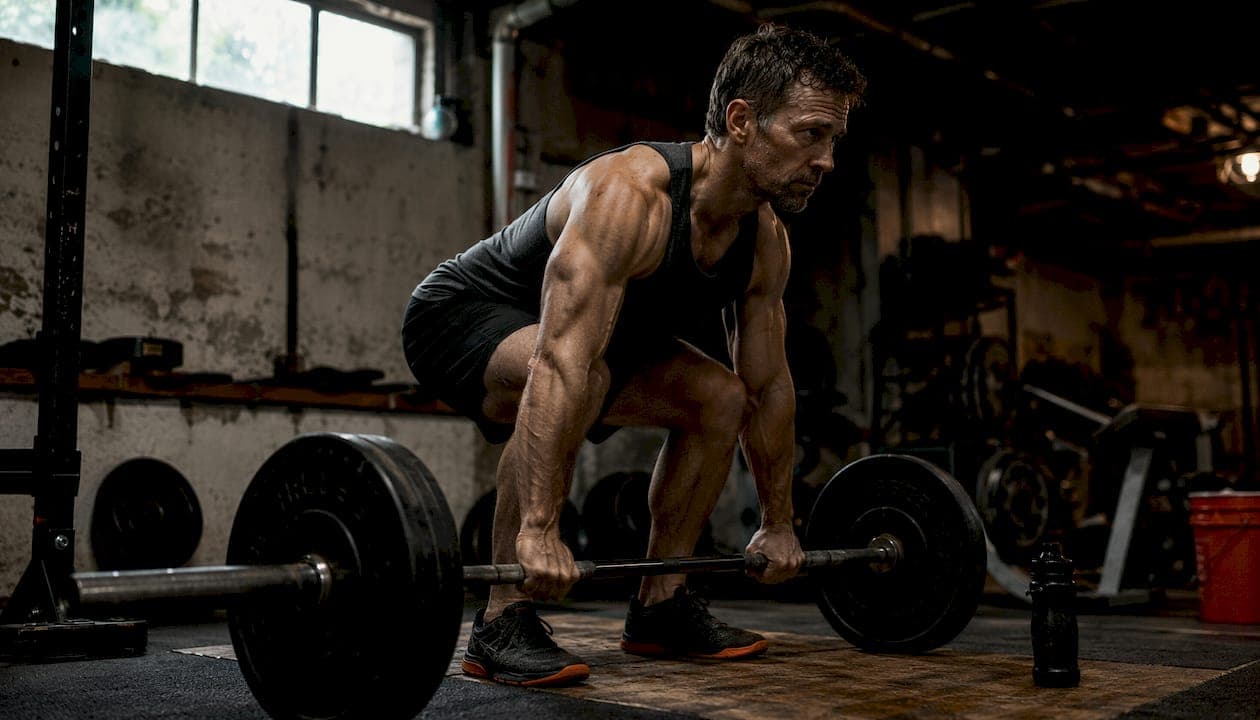
Yes, exercise will boost testosterone, but the honest answer is more nuanced than most fitness sites admit. For men over 40, physical activity and testosterone are linked, but the effect is smaller and more conditional than the gym-bro internet would have you believe. Here's what the evidence actually says:
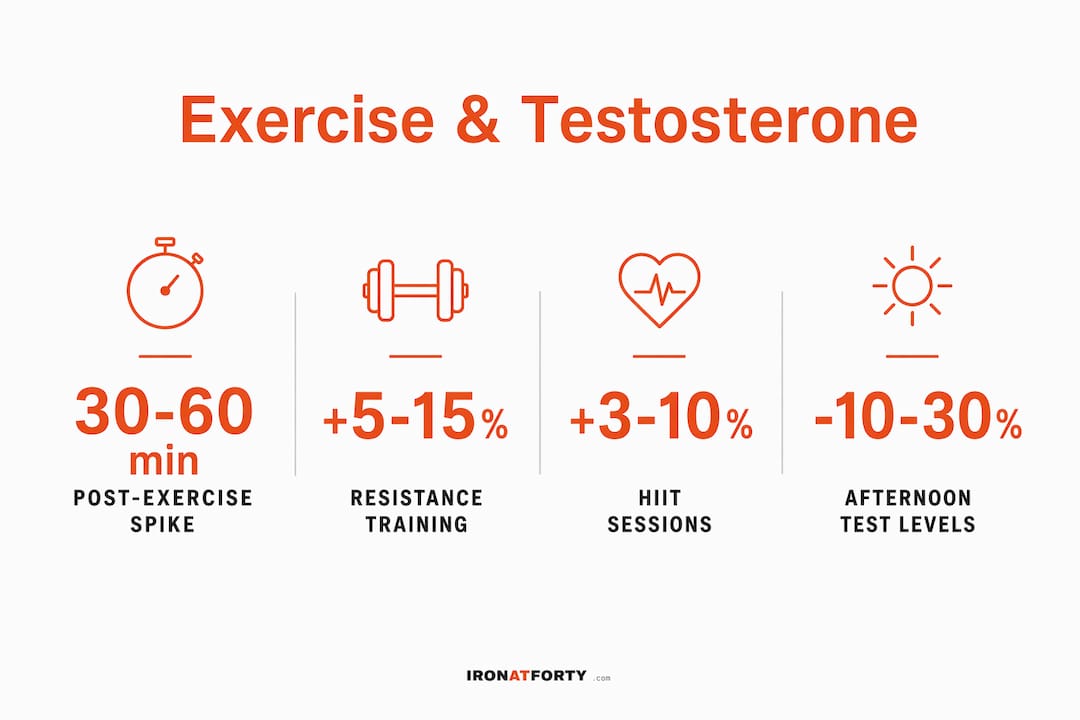
- Acute spikes are real but brief. Testosterone rises after intense sessions, then returns to baseline within 30–60 minutes. That surge doesn't automatically translate into higher resting levels.
- Durable changes are mostly small and largely driven by fat loss and muscle gain, not exercise alone.
- Exercise is still first-line. Strength, lean mass, and cardiometabolic health all improve reliably, even when testosterone numbers barely move.
The UK Biobank, the TEX trial, and multiple meta-analyses all point the same direction: train consistently, lose fat if you're carrying excess, and measure what actually matters. Ironatforty exists to help you do exactly that.
Table of Contents
- Does exercise increase testosterone, or is it more complicated?
- Which type of workout actually moves the needle on testosterone?
- Why body fat is the real mediator between exercise and testosterone
- What testosterone change should you actually expect?
- When should you get tested, and when does TRT make sense?
- Your 8–12 week training plan for men over 40
- Safety, recovery, and joint-friendly training after 40
- Lifestyle factors that amplify or blunt your results
- Key Takeaways
- The exercise-first case is stronger than most men realize
- Ironatforty's tools make the 8–12 week plan personal
- FAQ
- Useful sources for further reading
Does exercise increase testosterone, or is it more complicated?
Exercise causes a short-term testosterone surge after intense sessions, but those levels typically return to baseline within 30–60 minutes. The hypothalamic-pituitary-gonadal (HPG) axis responds to training stress, driving a transient hormonal spike. SHBG also rises with aerobic training, which can offset any gain in total testosterone by reducing the free fraction available to tissues.
The longer-term picture is where things get interesting. A 12-month aerobic exercise RCT found no significant change in total testosterone or free testosterone over the study period. Meanwhile, the TEX trial confirmed that exercise improves vascular function in middle-aged and older men, while testosterone treatment added no vascular benefit on top of that.
The practical implication: chasing a testosterone number on a lab report is the wrong target. Tracking strength, VO2 peak, and body composition gives you real signal.
- HPG axis activation drives transient T spikes post-exercise
- Aromatase in fat tissue converts testosterone to estradiol, blunting net gains
- Insulin sensitivity improvements from training support better gonadotropin signaling
- SHBG modulation can offset total T gains by reducing free T availability
Pro Tip: Log your 1RM and waist circumference monthly. These tell you more about hormonal trajectory than a single morning testosterone reading.
Which type of workout actually moves the needle on testosterone?
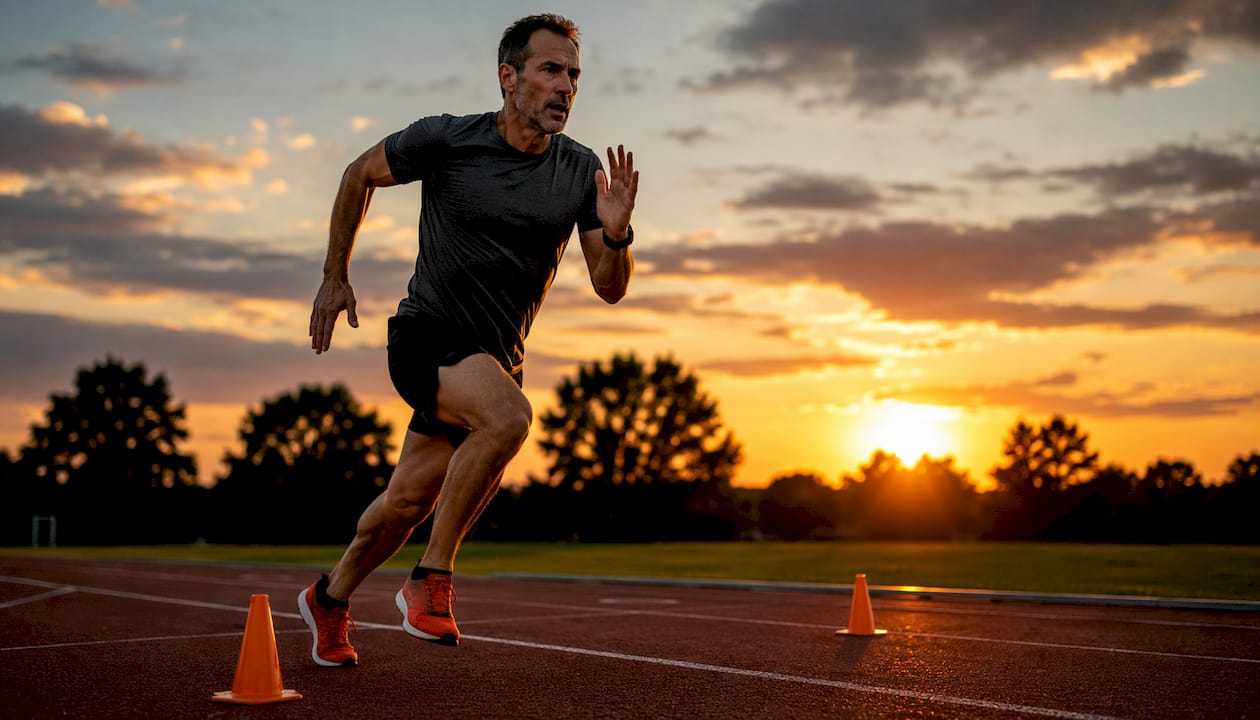
The honest answer: resistance training wins for strength and lean mass, while HIIT shows the most consistent modest gains in total and free testosterone in some trials. A Frontiers in Physiology meta-analysis found small positive effects for endurance and interval training on basal testosterone in older men, with negligible pooled changes for resistance training alone.
| Modality | Testosterone Effect | Strength Gain | Aerobic Fitness | Best For |
|---|---|---|---|---|
| Resistance training | Negligible resting T change | High | Low | Lean mass, strength |
| HIIT | Small, inconsistent TT/free-T gains in some studies | Moderate | High | Time-efficient training |
| Endurance (steady-state) | Mixed, small positive | Low | High | Cardio health, fat loss |
| Combined (resistance + aerobic) | Small, modest effect | High | Moderate | Broadest health benefit |
One HIIT study in previously sedentary men averaging 62 years found total testosterone improved ~17% following preconditioning plus HIIT, with free testosterone rising a statistically significant ~4.5%. Small numbers, but real. A 12-week concurrent endurance-resistance program in men over 50 also produced significant testosterone increases alongside improved VO2 max and lean mass.
- Resistance (2–3x/week): Squats, deadlifts, rows, press. 3–4 sets of 6–10 reps. Focus on progressive overload.
- HIIT (1–2x/week): 6–10 rounds of 20–40 seconds hard effort (bike, rower, sled), 90–120 seconds rest.
- Aerobic (1x/week): 30–45 minutes moderate pace. Supports fat oxidation and recovery.
Pro Tip: Progressive overload, not rep-scheme magic, is what drives adaptation. Add weight or reps weekly. That's the whole program.
Why body fat is the real mediator between exercise and testosterone
Reductions in fat mass and BMI are stronger predictors of rising testosterone than exercise volume alone. The UK Biobank data from 117,100 men showed higher physical activity was associated with 8% higher total testosterone and 14% higher SHBG, but after adjusting for BMI, the total testosterone association dropped to roughly 3%. Body composition is doing most of the heavy lifting.
Here's why. Adipose tissue contains aromatase, the enzyme that converts testosterone to estradiol. More fat means more conversion, lower net testosterone. Excess body fat also reduces SHBG and disrupts gonadotropin signaling through insulin resistance. Lose the fat, and you remove multiple simultaneous brakes on testosterone production.
- Aromatase activity in fat directly reduces circulating testosterone
- Adiposity lowers SHBG, altering the free-to-bound testosterone ratio
- Insulin resistance impairs LH signaling from the pituitary
- Weight loss averaging ~9.8% of body weight produced small but real T increases in meta-analytic data
For overweight men over 40, the highest-probability path to meaningful hormonal change is modest, sustained fat loss combined with resistance training. Not a supplement. Not a specific rep range.
What testosterone change should you actually expect?
Set the floor, not the ceiling. A systematic review of 11 RCTs in insufficiently active men found exercise training had a negligible overall effect on resting total testosterone. Some individual studies show small positive changes, particularly with HIIT or combined training in sedentary men. But for eugonadal men (those with normal baseline T), large sustained hormonal shifts from exercise alone are uncommon without meaningful fat loss.
What you will get, reliably: stronger lifts, better body composition, improved insulin sensitivity, and reduced cardiovascular risk. Those outcomes matter more for quality of life at 45 or 55 than a 50 ng/dL bump in total T.
- Test total T, SHBG, and free T (calculated) in the morning, fasted, on two separate occasions before drawing conclusions
- Request LH and FSH if total T comes back consistently low
- Use your 1RM and body weight as monthly progress markers alongside any lab work
- Expect 8–12 weeks before meaningful body composition changes show up on a scale
Pro Tip: Morning testosterone is highest between 7–10 AM. Test then, fasted. An afternoon draw can read 20–30% lower and send you chasing a problem you don't have.
When should you get tested, and when does TRT make sense?
Test if you have consistent, reproducible symptoms: low libido, unexplained fatigue, loss of muscle despite training, mood changes, or erectile dysfunction. Exercise should be first-line for most men, but confirmed organic hypogonadism after specialist assessment is a legitimate indication for TRT. Before you go that route, read up on what TRT actually involves and what the alternatives look like.
Step-by-step testing guide:
- Morning fasting blood draw (7–10 AM), repeat on a second day if low
- Order: total testosterone, SHBG, calculated free testosterone
- If total T is confirmed low: add LH, FSH, prolactin, and a metabolic panel
- Discuss cardiovascular risk, hematocrit, and blood pressure before any TRT decision
- See your primary care physician first; get an endocrinologist or urologist referral if T is consistently below the lab's lower reference range with symptoms
Red flags that need prompt medical review:
- Total T below the lab's lower reference limit on two separate morning draws
- Symptomatic sexual dysfunction not explained by other causes
- Infertility concerns
- Unexplained significant weight loss
- Headaches or visual changes suggesting possible pituitary pathology
Your 8–12 week training plan for men over 40
A combined program of 2–3 resistance sessions plus 1–2 aerobic or HIIT sessions weekly, with protein-focused nutrition, gives you the best shot at lean mass gain and fat loss. That's the highest-probability route to any hormonal benefit.
| Session | Type | Volume / Intensity | Recovery |
|---|---|---|---|
| Day 1 | Resistance (lower) | 3–4 sets of 6–10 reps | — |
| Day 2 | HIIT or aerobic | 20–30 min, 8–10 RPE intervals | Light activity next day |
| Day 3 | Rest or mobility | 20 min walk, foam rolling | Full rest if fatigued |
| Day 4 | Resistance (upper) | 3–4 sets of 6–10 reps | — |
| Day 5 | Resistance (full body) | — | Weekend recovery |
| Day 6–7 | Active recovery | Walking, stretching | Prioritize sleep |
Nutrition basics:
- Protein: 0.8–1.0 g per pound of body weight daily. See Ironatforty's protein guide for over 40 for specifics.
- Calories: use the TDEE calculator to set your target. A 300–500 calorie deficit works for fat loss without tanking testosterone.
- If body fat is above 25%, prioritize fat loss first. The hormonal payoff is real.
Safety, recovery, and joint-friendly training after 40
Recovery is the rate-limiting factor. You can't out-train poor sleep and inadequate rest, and joint issues will end a program faster than motivation ever will.
Warm-up every session:
- 5–10 minutes of light cardio (bike, rower)
- Dynamic mobility: hip circles, thoracic rotations, band pull-aparts
- 2 warm-up sets at 40–50% of working weight before your first heavy set
Deload every 4–6 weeks: drop volume by 40–50% for one week. Don't skip this. For overtraining warning signs specific to men over 40, Ironatforty covers the full picture.
- Knee issues: swap barbell squats for goblet squats or leg press; reduce depth
- Shoulder problems: use neutral-grip pressing (dumbbells, landmine); avoid behind-the-neck movements
- Lower back: prioritize hip hinge form; use trap bar deadlifts over conventional if pain persists
Stop and get medical review for sharp joint pain, unexplained swelling, or severe fatigue that doesn't resolve with a deload week.
Lifestyle factors that amplify or blunt your results
Sleep, alcohol, protein, and stress management are not optional add-ons. They're the difference between a program that works and one that stalls.
- Sleep: 7–9 hours per night. Testosterone is produced during deep sleep. Chronic short sleep directly suppresses morning T levels.
- Alcohol: more than 2 drinks per day consistently blunts testosterone production and disrupts sleep architecture.
- Protein: hit 0.8–1.0 g per pound of body weight. Inadequate protein accelerates muscle loss and impairs recovery.
- Stress: chronically elevated cortisol competes with testosterone at the receptor level and suppresses HPG axis signaling.
- Medications: statins, opioids, corticosteroids, and some antidepressants can all reduce testosterone. Review your medication list with your physician if T is low.
- Habit stacking: attach your training to an existing habit (morning coffee, lunch break). Consistency over 8–12 weeks compounds. Motivation is unreliable; routine is not.
For a deeper look at longevity practices for aging athletes, Ironatforty has a full breakdown.
Key Takeaways
Exercise reliably improves strength, lean mass, and cardiometabolic health for men over 40, even when resting testosterone changes are small or negligible without meaningful fat loss.
| Point | Details |
|---|---|
| Acute T spikes are transient | Post-exercise testosterone rises return to baseline within 30–60 minutes and don't guarantee higher resting levels. |
| Body fat is the key mediator | UK Biobank data show that body composition is a major driver of testosterone differences related to activity. |
| HIIT shows some promise | Some studies found that HIIT protocols in sedentary older men can increase total testosterone, though findings are not uniform. |
| Test smart, not often | Morning fasted draws on two separate days, including SHBG and free T, give you a reliable hormonal baseline. |
| Ironatforty tools help personalize | Use the TDEE and 1RM calculators at Ironatforty to set calorie targets and loading progressions for the 8–12 week plan. |
The exercise-first case is stronger than most men realize
Here's the take most articles won't give you: the testosterone conversation is often a distraction. Men over 40 who are sedentary and overfat don't have a testosterone problem first. They have a body-composition and lifestyle problem that causes low testosterone as a downstream effect. Fix the upstream issue and the hormonal picture often improves without a prescription.
TRT has a real place for men with confirmed organic hypogonadism. But the evidence from the TEX trial is clear: exercise improves vascular and cardiometabolic outcomes in ways that testosterone treatment does not replicate or add to. You can't inject your way to the functional benefits of consistent training. The men who get the most out of their 40s and 50s under the bar are the ones who treat recovery, nutrition, and progressive overload as non-negotiables, not the ones chasing a lab number.
If you're symptomatic and your numbers are genuinely low after proper testing, pursue medical evaluation without hesitation. But if you haven't trained consistently for six months, lost the excess fat, fixed your sleep, and cut the nightly drinks, that's where to start. Every time.
Ironatforty's tools make the 8–12 week plan personal
The difference between a generic program and one that actually works for your body is knowing your numbers. Ironatforty's free training and nutrition tools take the guesswork out of two of the most critical variables: how many calories you need and how much weight to put on the bar.
The TDEE calculator gives you a calorie target based on your actual activity level, not a population average. The 1RM calculator helps you set progressive loading percentages so you're training at the right intensity every session, not just going through the motions. Both tools are free, built for lifters over 40, and designed to support exactly the kind of 8–12 week plan laid out in this article. Head to Ironatforty training resources to pair the calculators with program templates built for your age group.
FAQ
Does exercise increase testosterone permanently for men over 40?
Not reliably for most eugonadal men. Meta-analyses show negligible overall effects on resting total testosterone from exercise training, with the most consistent modest gains seen in HIIT protocols in previously sedentary men.
What is the best workout to boost testosterone after 40?
Combined resistance and HIIT training shows the broadest benefit. HIIT produced a small but statistically significant total testosterone increase in one trial of sedentary older men, while resistance training consistently improves strength and lean mass even when testosterone changes are minimal.
How long before exercise affects testosterone levels?
Acute spikes occur within minutes of intense exercise but dissipate within 30–60 minutes. Meaningful body-composition changes, which are the primary driver of sustained hormonal shifts, typically take 8–12 weeks of consistent training and nutrition.
When should a man over 40 consider TRT instead of exercise?
TRT is appropriate for confirmed organic hypogonadism after two morning fasted blood draws show consistently low total testosterone alongside genuine symptoms. Exercise and lifestyle changes should come first for most men without a confirmed diagnosis.
Can losing weight raise testosterone without medication?
Yes. Meta-analytic evidence links moderate weight loss to small but real increases in testosterone. Fat loss reduces aromatase activity and improves insulin sensitivity, both of which support higher endogenous testosterone production.
Useful sources for further reading
- UK Biobank: physical activity and testosterone in 117,100 men — The largest population-level dataset on activity and circulating hormones; essential reading for understanding BMI mediation.
- TEX trial review: testosterone or exercise for cardiometabolic health — Backs the exercise-first recommendation and shows T treatment adds no vascular benefit on top of training.
- Frontiers in Physiology meta-analysis: short-term exercise and basal T in older men — Modality-specific effect sizes; the clearest summary of what each exercise type actually does to resting testosterone.
- JSCR systematic review: exercise training and resting testosterone in insufficiently active men — 11 RCTs, 12-week median; the honest verdict on negligible overall resting T effects and the acute vs. chronic distinction.
- Springer Sports Medicine Open: testosterone vs. exercise for lean mass, strength, and aerobic fitness — Compares TRT and exercise head-to-head; exercise wins for strength and VO2 peak.
- HIIT and free testosterone in sedentary older men (Endocrine Connections) — The ~17% TT and ~4.5% free-T gains from HIIT in a 62-year-old cohort; the strongest single-study case for HIIT.
- 12-month aerobic exercise RCT and sex hormones (PMC) — Randomized trial showing DHT and SHBG rise with aerobic training while total testosterone does not; brings the partner resource on alternatives to TRT into useful context.
Bring the UK Biobank paper and the TEX trial review to any clinical conversation about testing or TRT. They represent the strongest current evidence for the exercise-first approach.
This article is general information, not medical advice. Confirm your own hormone levels and health status with a qualified clinician before making decisions about testing or treatment.