If you've dealt with SI joint pain, you know it doesn't feel like other injuries. It's not a pulled muscle you rest for a week. It's a deep, nagging ache low in your back and hip that shows up when you get out of the car, when you roll over in bed, and when you start your first warmup set. Stretching barely touches it. Rest doesn't fix it. After a while you start planning your life around it.
That was me for a long time.
No sponsorship here. I bought my own Hip Hook with my own money and only recommend what I actually use.
Where I was
I've lifted most of my life, so I'm used to working around aches. This was different. The pain was constant, and at times it was severe. A one-sided ache that followed me for months, the stiffness getting out of the car, a subtle tilt I could feel every time I set up under the bar.
I tried what most of us try. Foam rolling, lacrosse balls, stretching routines, time off. Some of it helped for an hour. None of it lasted. Slowly this thing took over more of my life, starting with the gym.
What the Hip Hook is
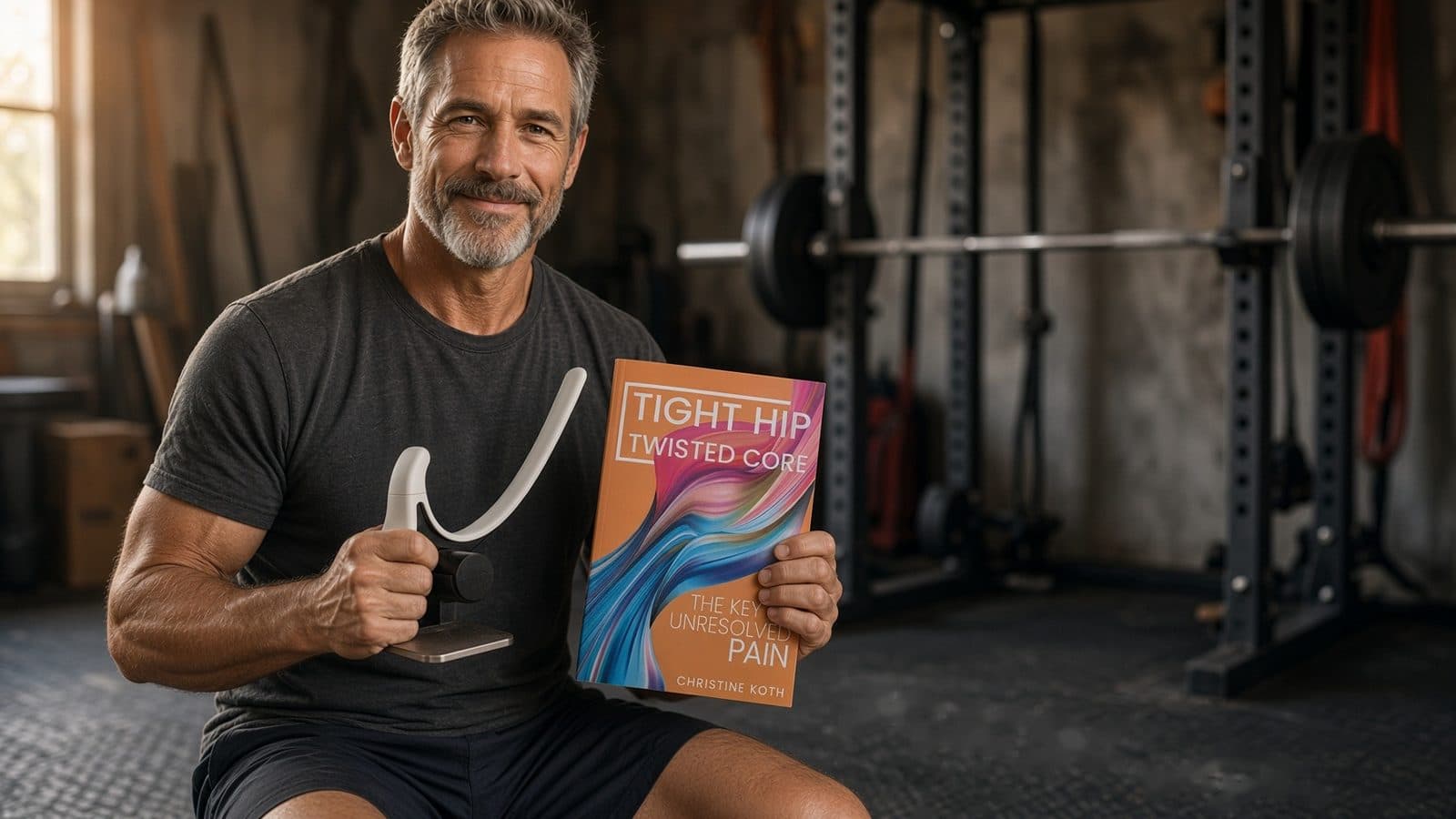
The Hip Hook was designed by physical therapist Christine Koth to put sustained, precise pressure on the iliacus. That's the deep hip flexor that attaches to the inside of the ilium, the same pelvic bone that forms half of your SI joint. When the iliacus stays chronically tight, it changes how load passes through the joint.
You lie on it, and it presses into the muscle at the angle a good manual therapist uses with their hands. A foam roller or lacrosse ball can't get there. The iliacus sits deep inside the pelvic bowl, and a standard hip flexor stretch doesn't reach it either.
The first time I used it
I went in skeptical. I'd been let down by plenty of products that promised to fix it.
It reduced my pain almost right away. Not a vague "maybe I feel a little better." I stood up and my pelvis felt different, and the ache that had been riding along with me for months got quiet. It's the best tool for immediate relief I've ever used, and I don't say that lightly.
The part most reviews skip: the book
Here's what I didn't expect. The Hip Hook comes with a book, Tight Hip, Twisted Core: The Key to Unresolved Pain, written by Christine Koth, the same PT who designed the tool. That book is half the reason this works.
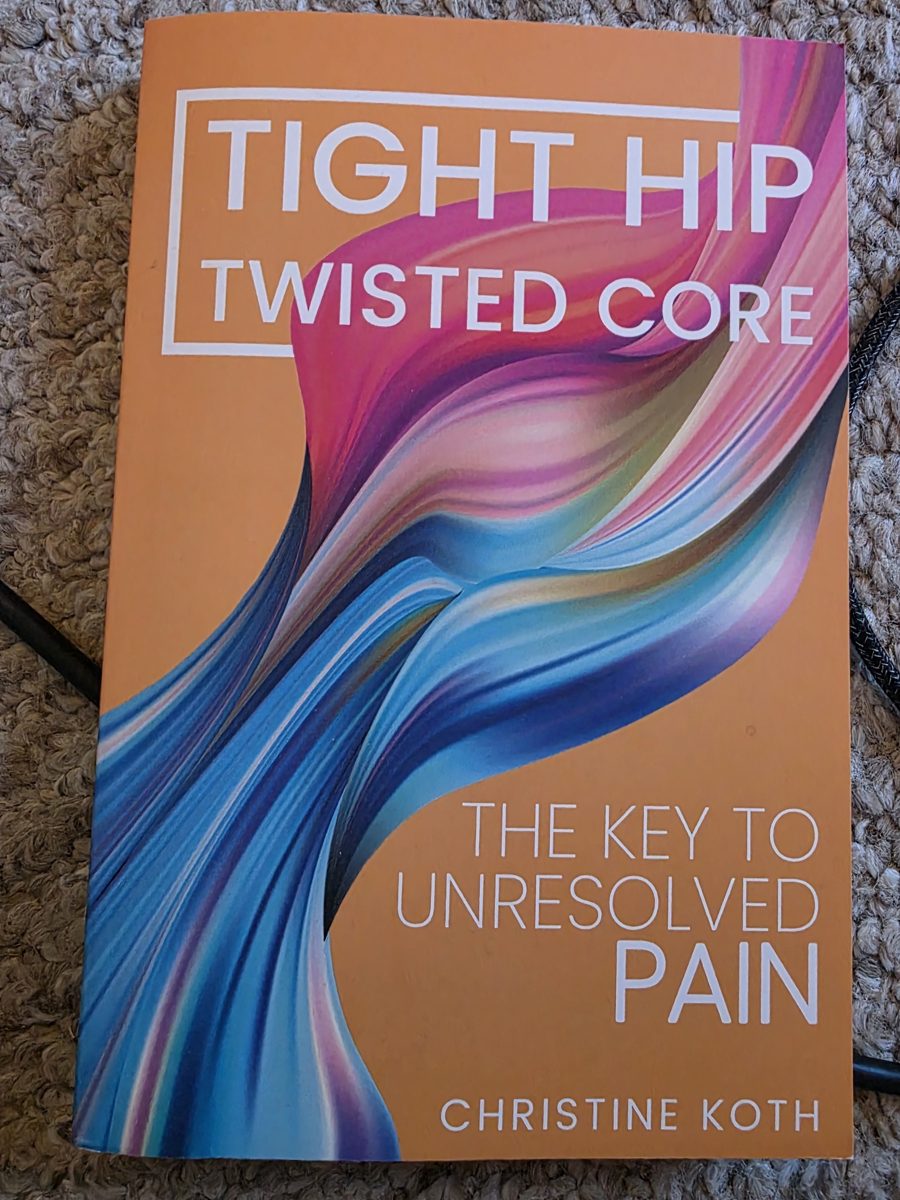
The tool gives you relief. The book teaches you how to get your body cooperating again, so the pain doesn't come right back the next time you load a barbell. Relief on its own is a break. Relief plus a plan to retrain how your hips and pelvis work is a way out.
That one-two punch is what got me back in the gym. Not one or the other. Both.
How I use it now
Ninety seconds per side, every morning. It's as non-negotiable as warming up before I train. When I skip it for a week, the old pattern starts creeping back: the faint stiffness getting out of the car, the subtle tilt. A few mornings back on it and it settles down again.
The full story of my recovery, including what else I did, is in SI Joint Recovery for Lifters. For more hip work, see Hip Mobility for Lifters.
Who it's for
- Lifters and active people with ongoing SI joint or deep hip pain
- Anyone who has rolled, stretched, strengthened, and rested and is still stuck
- People who will actually follow the book, not use the tool once and shelve it
Who should wait: if your pain is sharp, radiating, or new, especially after a fall or a heavy pull, see a sports medicine doctor or physical therapist first. The Hip Hook is a tool, not a diagnosis.
About the price
The Hip Hook is $199. That's not impulse-buy money, and I won't pretend otherwise. Here's how I looked at it: I'd already spent money on gadgets, appointments, and a gym membership I couldn't use. Worse, I was losing time doing the things I love. Measured against what this pain was taking from me, the price was easy to justify.
You don't have to take only my word for it, either. The Hip Hook has 1,300+ reviews from people dealing with the same thing. Read a handful before you decide. You'll probably recognize your own story in a lot of them.
FAQ
Does the Hip Hook help SI joint pain?
It helped mine, almost immediately. It targets the iliacus, which attaches to the same pelvic bone as the SI joint, so releasing it can change how load passes through the joint. That's one lifter's experience, not a guarantee.
Does the Hip Hook come with instructions?
Yes. It comes with Tight Hip, Twisted Core by Christine Koth, the PT who designed the Hip Hook. The book walks you through using the tool and retraining how your hips and pelvis move. In my experience the book is half the value.
How often should you use the Hip Hook?
I use it every morning, about ninety seconds per side. The results come from the daily habit, not a one-time session.
What should I do before buying a Hip Hook?
If your pain is new, sharp, or followed an injury, get evaluated by a sports medicine doctor or physical therapist first so you know what you're dealing with.
My verdict
I've lived with this pain long enough, and badly enough, to say this with confidence: if you suffer from SI joint pain, the Hip Hook and Tight Hip, Twisted Core can give you back the part of your life this strange ailment has taken.
It gave me mine back.
This is one lifter's experience, not medical advice. Pain near the SI joint has many causes. If it is sharp, getting worse, or follows an injury, see a sports medicine physician or physical therapist.