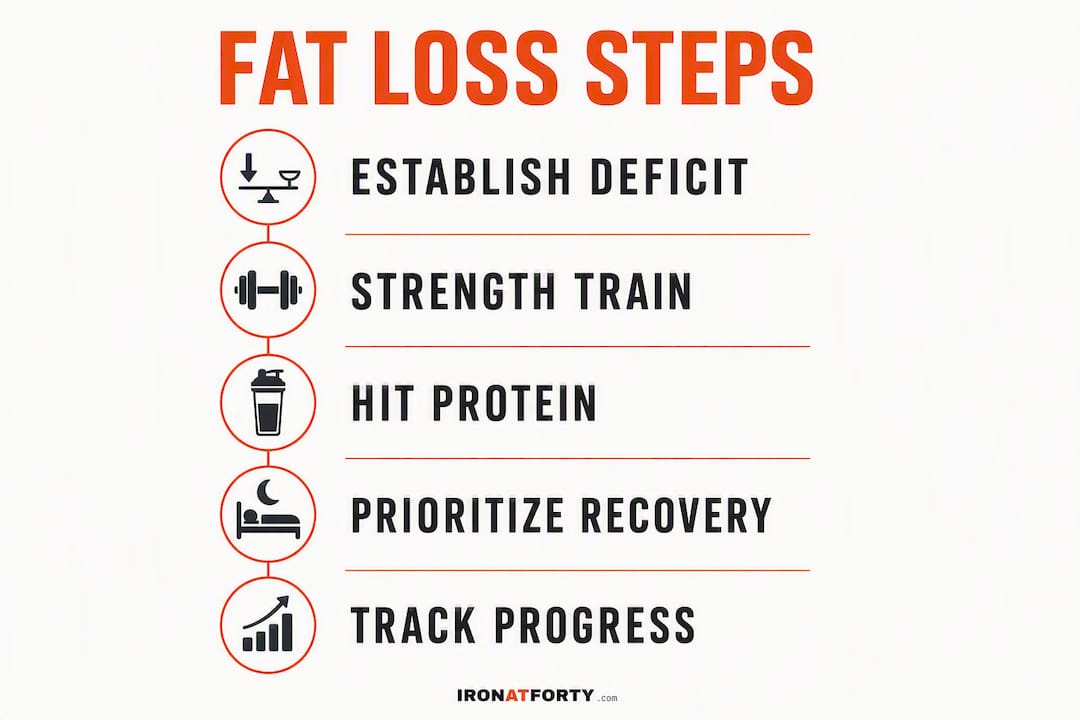
The fastest, safest plan for fat dads over 40 is this: combine progressive resistance training three days a week with a Mediterranean-style, protein-forward eating pattern and a moderate calorie deficit. That's it. No crash diet, no two-hour cardio sessions, no willpower pep talks.
Start this week with three steps:
- Run the Ironatforty TDEE Calculator to find your maintenance calories, then subtract 10–20% for a slow, muscle-sparing deficit.
- Schedule three full-body resistance sessions and two 20–30 minute walks on your calendar right now.
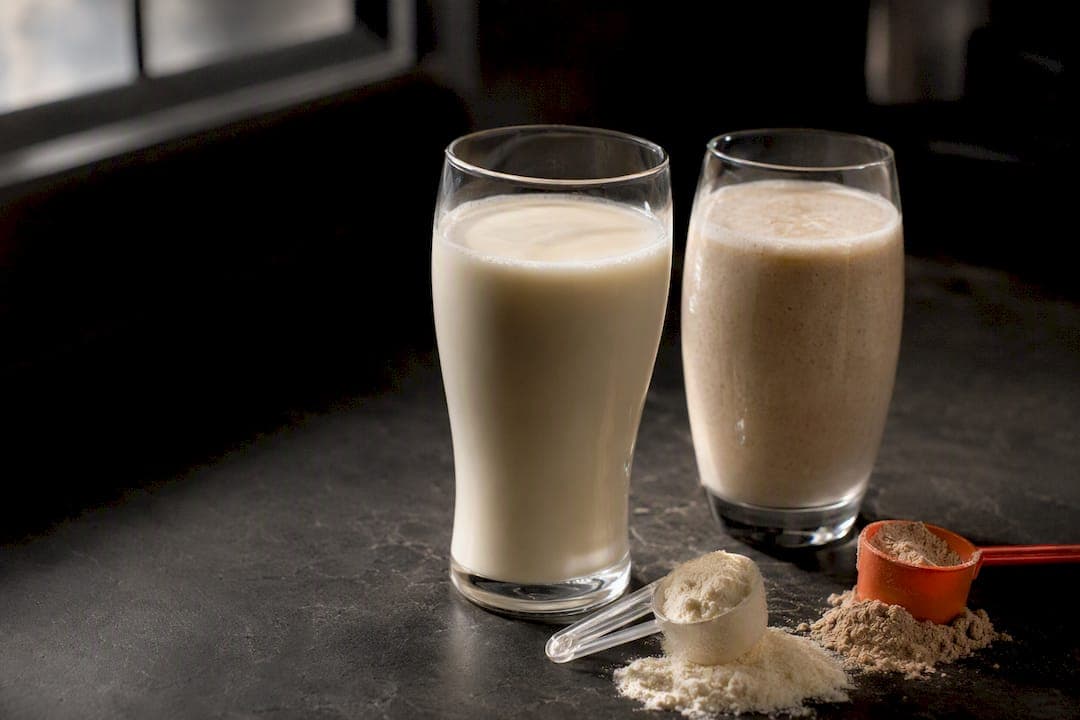
- Set a protein target of 1.6–2.0 g per kg of bodyweight and build every meal protein-first.
Target numbers to hold onto:
- Aim for 0.5–1.0% bodyweight loss per week
- Expect 1–2 cm waist reduction in the first month as an early signal
- A 5–10% bodyweight loss over 3–6 months produces clinically meaningful improvements in insulin sensitivity. This aligns with meta-analytic and RCT evidence for the minimum threshold to improve markers like HOMA-IR in men over 40.
Table of Contents
- Why belly fat is a medical problem, not just a dad bod
- What the research actually says about training and diet
- Your 8–12 week training and nutrition plan
- How to keep this going past month one
- How to track progress and what to expect
- Myths that waste your time and what to do instead
- Key Takeaways
- The case for muscle-first fat loss after 40
- Ironatforty gives you the tools to start today
- Useful sources
- FAQ
Why belly fat is a medical problem, not just a dad bod
Not all body fat is equal. Subcutaneous fat sits under your skin. Visceral fat wraps around your organs, and it behaves like a rogue endocrine gland. It releases inflammatory cytokines that directly weaken insulin sensitivity, raising your risk for type 2 diabetes, heart disease, and metabolic syndrome.
After 40, three things converge to accelerate visceral fat accumulation: muscle mass declines, testosterone drops, and daily activity tends to fall. Less muscle means a lower resting metabolic rate. Lower testosterone makes fat storage around the abdomen more likely. The result is a slow metabolic drift that most men don't notice until their waist is three inches wider and their energy is shot by 2 PM.
"Afternoon fatigue and cravings are often signs of insulin resistance rather than lack of willpower. Consistent resistance training and a high-fiber, moderate-carb diet stabilize energy." — Philadelphia Urology Associates
Myth vs. fact:
- Myth: Belly fat is cosmetic. Fact: Visceral fat is metabolically active and drives systemic inflammation.
- Myth: You just need more willpower. Fact: Insulin resistance disrupts hunger hormones and energy regulation at a biological level.
Experts at Got2ManUp and Philadelphia Urology Associates both emphasize that early testing matters. If you're carrying significant abdominal fat, ask your doctor for a fasting glucose, A1C, and triglyceride panel before you start. Know your baseline.
What the research actually says about training and diet
NIA-supported research is unambiguous: resistance training combined with diet produces better body composition outcomes than diet alone. Participants in long-term NIA trials preserved lean mass, lost more fat, and reduced sarcopenic-obesity risk compared to diet-only groups. NIA research leaders, including Dr. Luigi Ferrucci, frame resistance training as central to reversing the muscle-loss-plus-fat-gain pattern that defines overweight men over 40.
"Resistance training preserves lean mass during weight loss and, when combined with diet, reduces sarcopenic-obesity risk in older adults — essential for mobility and long-term metabolic health." — National Institute on Aging
On the nutrition side, a MDPI narrative review found the Mediterranean diet produced consistent reductions in HOMA-IR (a key insulin resistance marker) and a 31% decrease in type 2 diabetes incidence in the PREDIMED-Plus trial. Low-carb diets show larger short-term glucose reductions but carry real sustainability concerns for most people.
What this means for you practically:
- Prioritize building and keeping muscle. It's your metabolic engine.
- Aim for a sustainable eating pattern you can hold for years, not weeks.
- Monitor metabolic markers (A1C, fasting glucose, triglycerides) alongside bodyweight.
Your 8–12 week training and nutrition plan
The training template
Three full-body resistance sessions per week is the floor. Two short aerobic walks fill the gaps. One optional HIIT or conditioning session can replace a walk if your recovery is solid. Check the Ironatforty HIIT guide for men over 40 before adding conditioning work.
Sample weekly schedule:
- Monday: Full-body resistance (squat, hinge, push, pull, core) — 3–4 sets, 6–12 reps per movement
- Tuesday: 25-minute brisk walk
- Wednesday: Full-body resistance (same pattern, vary exercises)
- Thursday: Rest or 25-minute walk
- Friday: Full-body resistance
- Saturday: Optional conditioning or walk
- Sunday: Rest
For exercise selection, think goblet squat or barbell back squat, Romanian deadlift, dumbbell row, overhead press, and plank variations. These effective training programs for over 40 hit every major muscle group without hammering joints.
Progression rules: Add 2.5–5 lb when you complete all sets at the top of your rep range for two consecutive sessions. Add one set after two successful weeks at current volume. Use RPE (rate of perceived exertion) as your guide: most working sets should land at RPE 7–8, leaving two reps in the tank.

Protein and calorie targets
| Variable | Target | How to set it |
|---|---|---|
| Protein | 1.6–2.0 g/kg bodyweight | Use Ironatforty protein guide |
| Calories | 10–20% below TDEE | Run the TDEE Calculator |
| Fiber | 30–40 g/day | Vegetables, legumes, whole grains |
| Carbohydrates | ~30–40% of calories, low-GI | Oats, sweet potato, brown rice |
Meal structure matters. Eating protein and vegetables before carbs blunts post-meal glucose spikes. It costs nothing and works immediately. Build your plate protein-first, add vegetables, then add smart carbs last.
How to keep this going past month one
Recovery is where most dads over 40 lose the plot. Sleep is non-negotiable. Seven to nine hours protects muscle protein synthesis, regulates cortisol, and keeps hunger hormones in check. If sleep is broken, fix that before adding training volume.
Joint care basics: Use tempo on your lifts (2 seconds down, 1 second pause, 1 second up) to reduce joint stress without reducing stimulus. Resistance bands for warm-up sets, mobility work for hips and thoracic spine, and choosing Romanian deadlifts over conventional pulls if your lower back complains are all low-cost adjustments that add years to your training life. The Ironatforty joints resource covers this in depth.
Pro Tip: Habit stack your resistance sessions onto something you already do. Gym bag packed the night before, session logged in a notes app, protein shake prepped. Remove every decision from the morning of.
- Deload every 4–6 weeks: cut volume by 40%, keep intensity. One week off is fine; two weeks off starts costing you.
- Handle travel by dropping to two sessions, keeping protein high, and walking daily. Minimum effective dose beats zero.
- Partner accountability works. A body recomposition partner or training log cuts dropout rates significantly.
How to track progress and what to expect
Primary metrics to track:
- Strength on key lifts (estimated 1RM, tracked weekly)
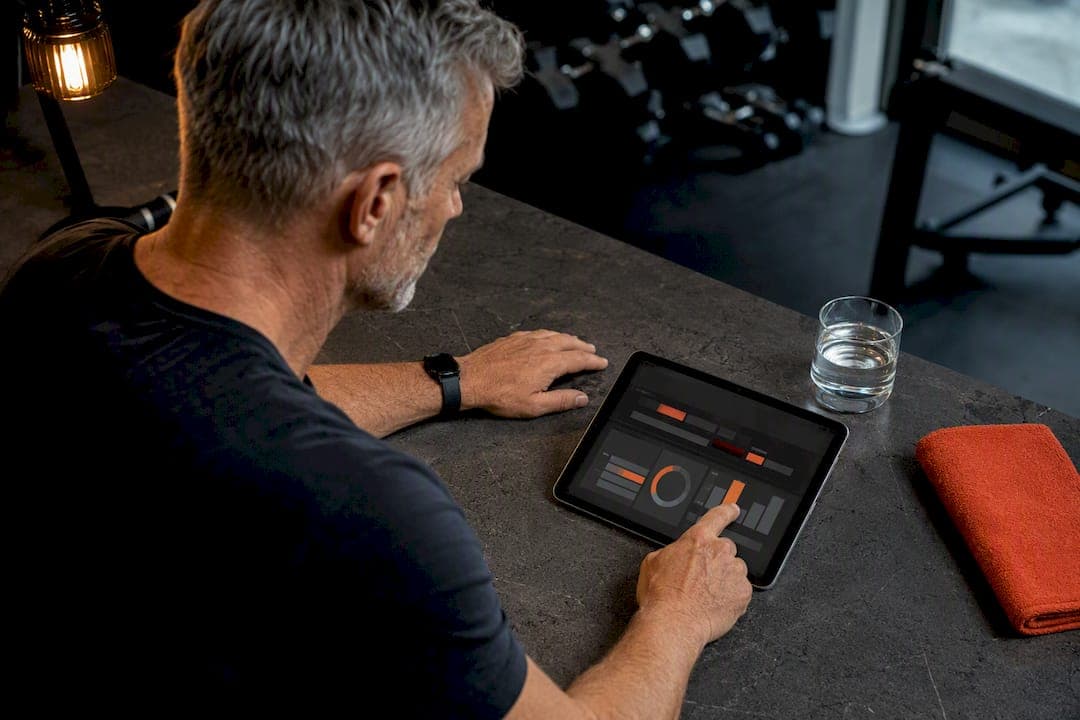
- Waist circumference (measured monthly, same time of day)
- Bodyweight trend (weekly average, not daily)
- Subjective energy and sleep quality (simple 1–10 log)
Timeline you can actually count on:
- Weeks 2–4: Better sleep and afternoon energy. This is the insulin sensitivity response kicking in.
- Weeks 4–12: Visible waist changes. Clothes fit differently before the scale moves much.
- Months 3–6: A 5–10% bodyweight loss produces meaningful improvements in HOMA-IR and metabolic markers.
When to adjust: If strength stalls AND bodyweight plateaus for three consecutive weeks, you've likely under-eaten or under-recovered. Add 100–150 calories, prioritize sleep, and reassess. If fatigue is rising and sleep is worsening, take a deload week before adding volume.
Myths that waste your time and what to do instead
The big ones, corrected:
- Spot reduction is false. Crunches do not burn belly fat. Visceral fat responds to systemic calorie deficit and hormonal improvement, not targeted exercises.
- Long slow cardio alone loses less fat and costs muscle. An hour on the treadmill without resistance work accelerates the muscle-loss problem it's supposed to solve.
- Willpower framing is inaccurate for insulin-resistant biology. Cravings and energy crashes are hormonal signals, not character flaws.
"The majority of the time, if you're overweight or obese, starting with losing at least 5–10% of your body weight makes a huge difference." — Beverly Rodgers, Senior Clinical Dietitian, UT MD Anderson
Corrective swaps:
- Replace one long cardio session with a 45-minute resistance session.
- Reorder meals: protein and vegetables first, carbs last.
- Fix late-night alcohol. It disrupts sleep, spikes cortisol, and kills recovery.
- Read up on insulin resistance after 40 before assuming your fatigue is just aging.
If your labs show elevated fasting glucose, A1C above 5.7%, or high triglycerides, bring this plan to your doctor. The training and nutrition approach here aligns with clinical guidance, but abnormal labs warrant medical input alongside lifestyle changes.
This article is general information, not medical advice. Confirm your individual situation with a qualified healthcare professional.
Key Takeaways
Resistance training combined with Mediterranean-style, protein-forward nutrition is the most effective evidence-backed strategy for fat dads over 40 to reduce visceral fat while preserving muscle.
| Point | Details |
|---|---|
| Set your calorie target first | Run the Ironatforty TDEE Calculator and eat 10–20% below maintenance to lose 0.5–1.0% bodyweight per week. |
| Protein is the floor | Hit 1.6–2.0 g protein per kg bodyweight daily to preserve muscle during fat loss. |
| Three resistance sessions per week | Full-body training three days per week outperforms cardio alone for body composition after 40. |
| Track waist and strength, not just weight | A 1–2 cm waist reduction in month one and rising strength are the real early signals of progress. |
| Ironatforty tools personalize the plan | Use the TDEE and 1RM calculators at Ironatforty to set exact calorie and load targets for your body. |
The case for muscle-first fat loss after 40
The fitness industry keeps selling fat dads the wrong product: a calorie-restriction plan dressed up as a lifestyle. Cut enough, move enough, suffer enough. It doesn't work long-term because it ignores the underlying biology. Muscle loss accelerates with age, insulin sensitivity declines, and aggressive deficits make both problems worse.
The approach Ironatforty endorses is different. Muscle is metabolic resilience. Every pound of lean mass you build or preserve raises your resting metabolic rate, improves glucose uptake, and makes the next decade of life physically easier. The NIA research backs this. Philadelphia Urology Associates backs this. The MDPI dietary evidence backs this. The tools Ironatforty provides, including the TDEE Calculator and 1RM Calculator, exist specifically so you can apply this science to your own numbers without hiring a coach.
No quick fixes. No 30-day transformations. Just a program built to outlast the short-term diets that got you here.
Ironatforty gives you the tools to start today
The plan in this article works. What makes it personal is the numbers behind it. Your calorie target, your protein floor, your starting loads under the bar.

Ironatforty's free training and nutrition tools give you a TDEE Calculator to set your calorie deficit and a 1RM Calculator to program your starting weights safely. No subscription, no coach required. Pair those with the nutrition resources at Ironatforty for meal structure, protein targets, and food swaps built for over-40 lifters.
Run the TDEE Calculator today, set your protein target, and schedule your first three sessions. Eight to twelve weeks from now, you'll have data. That's where the real work begins.
Useful sources
| Source | Why it matters |
|---|---|
| National Institute on Aging: Strength Training and Aging | NIA-supported RCT evidence that resistance training combined with diet preserves muscle and reduces fat in older adults. |
| Philadelphia Urology Associates: Insulin Resistance in Men | Clinical overview of visceral fat, insulin resistance, and age-related metabolic decline in men. |
| Cleveland Clinic: Insulin Resistance Diet | Dietitian-reviewed guidance recommending Mediterranean-style eating as first-line for insulin resistance. |
| MDPI: Targeting Insulin Resistance Through Nutrition | Narrative review covering PREDIMED-Plus trial data, HOMA-IR reductions, and dietary pattern comparisons. |
| PMOS Guide: Insulin Resistance Diet for Men | Practical macronutrient framework (1.6–2.0 g/kg protein, 30–40 g fiber) and meal-order tactics for men. |
| Ironatforty TDEE Calculator | Free tool to calculate maintenance calories and set a personalized deficit. |
| Ironatforty Training Tools | 1RM Calculator and full tool suite for programming loads and tracking progress. |
FAQ
What does "fat dads" mean in a fitness context?
It's an informal term for fathers carrying excess body fat, particularly visceral belly fat, that raises metabolic risk. The clinical concern is insulin resistance and cardiometabolic disease, not appearance.
How long before a dad over 40 sees real results?
Expect better energy and sleep within 2–4 weeks, visible waist changes by weeks 4–12, and meaningful metabolic improvements once you have lost 5–10% of your bodyweight over 3–6 months with consistent training and nutrition.
Is cardio or strength training better for losing belly fat?
Resistance training combined with a calorie deficit outperforms cardio alone for fat loss and body composition after 40, because it preserves muscle mass while the deficit reduces fat.
How much protein does an overweight dad over 40 need?
Target 1.6–2.0 g of protein per kg of bodyweight daily. This range preserves muscle during a calorie deficit and supports recovery from resistance training.
Where should a dad start if he has no gym experience?
Run the Ironatforty TDEE Calculator to set your calorie target, then start with three full-body resistance sessions per week using compound movements at a manageable load. The Ironatforty training resources include beginner-friendly templates built for over-40 lifters.