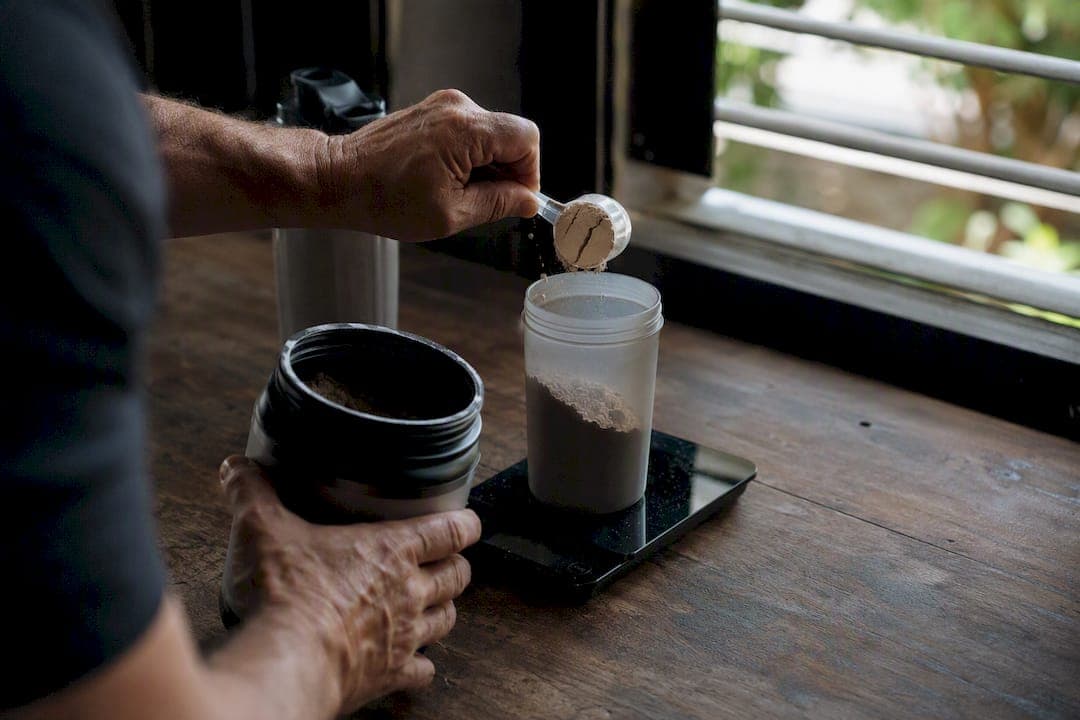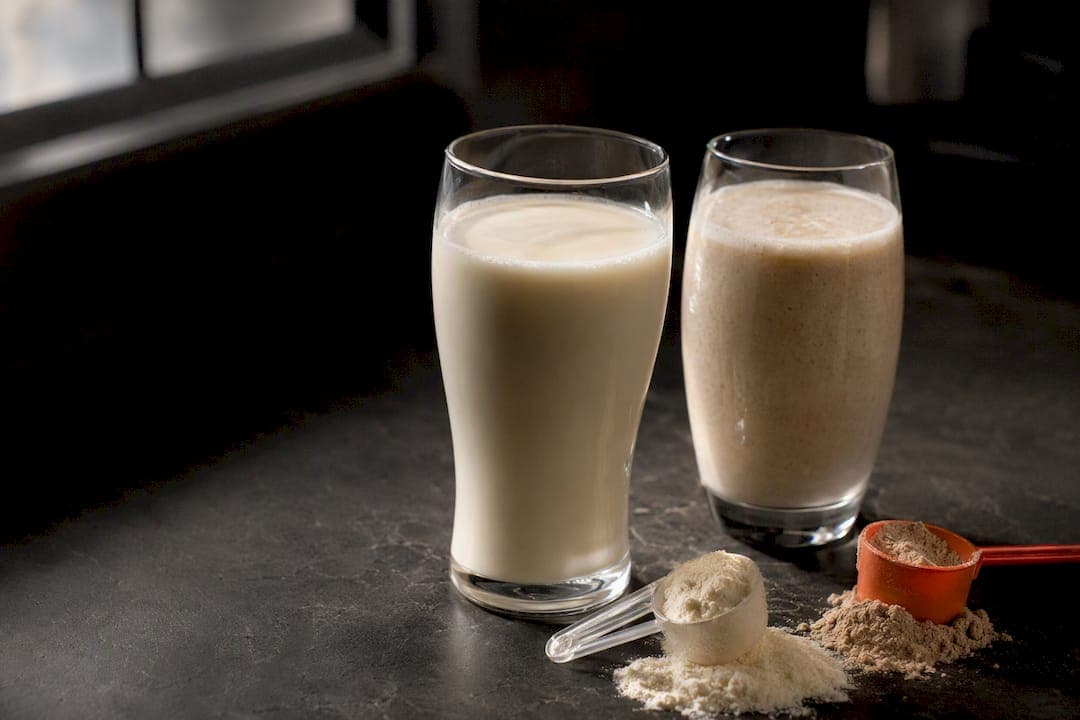
Both build muscle. Whey wins the sprint, plant protein can win the marathon if you dose it right. Whey hits your bloodstream fast and delivers a bigger leucine spike per scoop, but a plant blend loaded with 2.5 to 3 grams of leucine and 25 to 30 grams of total protein closes that gap. The real decision isn't "which protein is better" in the abstract. It's whether you're formulating your plant scoop like an amateur or dosing it like someone who's actually read the trials.
TL;DR:
- Properly formulated plant protein blends matched with whey in dose and leucine content can stimulate muscle growth equally well in resistance training individuals.
- Single-source plant proteins often underperform due to lower leucine density and slower digestion, but fortification and blending close that gap significantly.
- Older adults over 60 need higher protein and leucine targets due to anabolic resistance, making whey isolate or fortified plant blends more effective.
- Digestibility issues differ: whey isolate is low in lactose and fast-absorbing, while plant isolates reduce fiber residue, both requiring attention to processing levels.
- The key to effective muscle building is checking the leucine content and total dose, not just whether a protein source is plant-based or animal-based.
Table of Contents
- Plant Protein vs Whey: What The Amino Acids Actually Tell You
- What The Research Actually Shows About Muscle Growth
- How Your Stomach Responds Should Drive Half This Decision
- A Practical Checklist For Choosing Between Plant Protein And Whey
- The Myths That Won't Die, And What's Actually True
- How Ironatforty Built This Guide, And What It Means If You're Over 40
- Allergies and Sensitivities Worth Knowing Before You Buy
- What You'll Actually Pay, And What That Buys You
- Why Taste and Texture Still Decide More Purchases Than Amino Acid Charts
- Where Each Protein Fits Into Your Actual Diet
- Does Protein Type Change How Full You Feel After Eating?
- The Take Most Guides Won't Give You
- Free Tools To Help You Apply This
- Sources
- FAQ
Plant Protein vs Whey: What The Amino Acids Actually Tell You
Here's the part most protein tub labels won't explain: not all protein is created equal, and the difference comes down to amino acid math, not marketing.
The industry measures this with something called DIAAS, or Digestible Indispensable Amino Acid Score. Think of it as a report card for how completely and efficiently your body can actually use a given protein source to build tissue. Whey typically scores above 100 on DIAAS, while single-source plant proteins like pea concentrate often land in the 60s. That gap isn't cosmetic. A lower DIAAS score means a smaller fraction of the protein you're drinking actually gets converted into usable amino acids for muscle repair.
Leucine is the amino acid that flips the switch on muscle protein synthesis (MPS), the process your body uses to actually rebuild and grow muscle tissue after you train. Whey isolate is unusually leucine-dense; a typical 25 gram scoop delivers close to 2.5 to 3 grams of leucine on its own. Most single-source plant proteins fall short of that without help.
Here's how the common sources stack up on leucine density per typical serving:
- Whey isolate: naturally high leucine, roughly 10 to 11% of total amino acids
- Pea protein: moderate leucine, needs a larger serving or added leucine to match whey
- Rice protein: low in lysine, decent in methionine, rarely used alone for that reason
- Soy protein isolate: more complete than pea or rice alone, still trails whey on leucine density
- Hemp protein: lower in leucine and lysine, mostly used as a minor blend component, not a primary source
Whey's leucine advantage isn't just about the amino acid count. It's about processing. Whey concentrate and isolate go through filtration that strips out most of the fiber and complex carbohydrate matrix that slows digestion. Plant proteins, especially less refined ones, still carry fiber and compounds like phytates and tannins that can blunt amino acid absorption. That's part of why a plant isolate digests differently than a raw pea flour blend, and it's why the isolate versions of plant protein tend to perform closer to whey in head-to-head testing.
None of this means plant protein is inferior by design. It means single-source, unfortified plant protein is playing from behind on two fronts: total leucine per serving, and how fast your gut can actually liberate those amino acids. Blending and fortification exist specifically to close both gaps, which is the whole subject of the next section.
What The Research Actually Shows About Muscle Growth
The honest answer, backed by the best available research, is this: animal protein has a small edge on average, but that edge shrinks to nothing when plant protein is formulated correctly.
A 2026 systematic review and meta-analysis comparing plant based and animal based proteins found that animal sources generally stimulate MPS slightly more, but the difference was small, and it grew more pronounced specifically in adults 65 and older. That age split matters. If you're 45 and lifting three times a week, you're not the population driving that gap. If you're 68 and dealing with age-related anabolic resistance, the animal protein advantage becomes more relevant to your specific physiology.
Now here's where it gets interesting, because the trial data on properly designed plant blends tells a very different story than the "plant protein is inferior" narrative that dominates gym forums.
A randomized trial testing a plant blend of pea, brown rice, and canola isolates, formulated to deliver roughly 32 grams of protein and 2.5 grams of leucine, found it stimulated post-exercise muscle protein synthesis to the same extent as an isonitrogenous whey dose over the four hours following resistance training. Same stimulus, same anabolic response, different protein source.
A separate crossover study reinforced the mechanism behind that result. Researchers compared plant isolate alone against plant isolate with added leucine against whey, and found that pea and canola isolate fortified with leucine matched whey's MPS response, while the non-fortified plant isolate fell short. The leucine, not the plant origin, was doing the work.
What ties these findings together:
- Plant protein underperforms whey when it's a single, unfortified source served at a standard scoop size.
- Plant protein matches whey when it's blended for a complete amino acid profile and hits a comparable leucine target.
- The dose and formulation matter more than whether the protein came from a cow or a pea.
- Age changes the calculus. Older lifters face a documented anabolic resistance that raises the bar for both total protein and per-meal leucine needed to trigger the same growth response.
There's a mechanistic reason plant protein often looks worse in casual comparisons even when the trial data says it shouldn't. Reviews on the anabolic response to plant protein note that many plant sources produce a lower peak in blood amino acid levels after ingestion, even when the total protein amount looks similar on the label. That lower peak, sometimes called a blunted aminoacidemia response, is exactly what leucine fortification and blend design are built to correct. Bump the leucine, and you also bump the peak.
So when someone tells you plant protein "can't build muscle," what they're usually describing is a badly formulated tub of pea protein powder, not a hard biological ceiling. DIAAS and amino acid math explain a lot, but they're not destiny. What actually happens in your muscle tissue depends on total dose, leucine content, and timing, not just which plant or animal the protein came from originally.
If you're choosing between a plain pea isolate and a whey isolate for post-workout recovery, whey remains the more forgiving, lower-effort choice because the leucine density is built in. If you're choosing a plant option, look specifically for a blend, not a single source, and check the leucine number on the label before you check anything else.
How Your Stomach Responds Should Drive Half This Decision
Digestibility isn't a side note here. For a lot of lifters, it's the deciding factor that overrides every amino acid chart in the previous section.
Whey comes in three common forms, and they behave very differently in your gut. Whey concentrate retains more lactose, typically 4 to 8% of total content, which is exactly why it's the version most likely to cause bloating or gas in anyone with lactose sensitivity. Whey isolate goes through additional filtration that strips out most of that lactose, usually leaving less than 1%, making it the more tolerable option for people who react to dairy but aren't fully lactose intolerant. Whey hydrolysate takes it a step further, pre-breaking the protein into smaller peptides for faster absorption and typically the gentlest GI profile of the three, though it usually costs more and tastes noticeably more bitter.
Plant proteins bring their own set of gut challenges, just different ones. Raw or minimally processed plant powders often carry residual fiber and oligosaccharides, the same class of fermentable carbohydrates that cause gas and bloating in beans and legumes generally. Pea and soy protein concentrates are the most common offenders here. That's not a flaw unique to plant protein; it's simply what happens when you don't fully isolate the protein from the plant matrix around it.
The fix, in both directions, usually comes down to processing level and dose:
- If whey concentrate bothers you, switch to isolate before assuming you need to abandon dairy protein entirely.
- If a plant blend causes bloating, look for an isolate version rather than a concentrate. Less residual fiber means less fermentation.
- Split large servings into two smaller doses across the day instead of one 40 gram bomb.
- Rotate plant sources (pea one week, soy the next) if you suspect a sensitivity to one specific source rather than plant protein broadly.
- A digestive enzyme blend taken with the shake can reduce bloating for some people, though results vary person to person.
Pro Tip: If you've written off plant protein because of stomach issues, try the isolate version before you give up entirely. Most of the GI complaints tied to plant protein come from concentrate-grade powders still carrying fiber and starch residue, not from the protein itself.
Your gut's response to a protein source is data, not an inconvenience to push through. If a product consistently leaves you bloated three days a week, that's a real cost, even if the amino acid profile on paper looks perfect.
A Practical Checklist For Choosing Between Plant Protein And Whey
Stop overthinking this. Run through these four questions, in order, and the decision usually makes itself.
- What's your training goal and timeline? If you're chasing maximum, the fastest possible MPS stimulus around a hard lifting session, whey isolate's speed and built-in leucine density make it the lower-effort default. If you're hitting total daily protein targets across meals rather than optimizing one specific post-workout window, a well-formulated plant blend performs just as well.
- How old are you, and how hard are you training? Anabolic resistance means adults over 40, and especially over 60, need more protein and more leucine per meal to get the same growth signal a 25-year-old gets from a smaller dose. This is where dosing precision stops being optional.
- Do you have a dairy allergy, lactose intolerance, or a documented food allergy? This answers itself. Don't fight your own gut for a marginal amino acid advantage.
- What's your budget and how much effort are you willing to put into reading labels? Whey isolate is closer to grab-and-go. A quality plant blend requires a bit more label literacy to confirm it's actually leucine-fortified rather than just marketed as "complete."
Once you know your answer, the numbers to actually hit are these:
For post-workout dosing: aim for 25 to 40 grams of total protein per serving, with a leucine target around 2.5 to 3 grams. Whey isolate typically clears that leucine bar on its own at a standard scoop. A plant blend needs to be checked, because plenty of them don't unless the label specifically states a leucine number or advertises added BCAAs.
For daily totals: active adults training regularly should land somewhere around 1.6 to 2.2 grams of protein per kilogram of bodyweight. Adults over 40 training seriously should push toward the higher end of that range, closer to 1.6 to 2.0 g/kg, specifically because anabolic resistance raises the threshold needed to trigger the same MPS response older muscle used to get from less.
When plant protein is the smarter pick, not just the acceptable one: if you're vegan or dairy-free by necessity, choose a blend (pea plus rice, or pea plus a leucine-fortified additive) over any single-source powder.
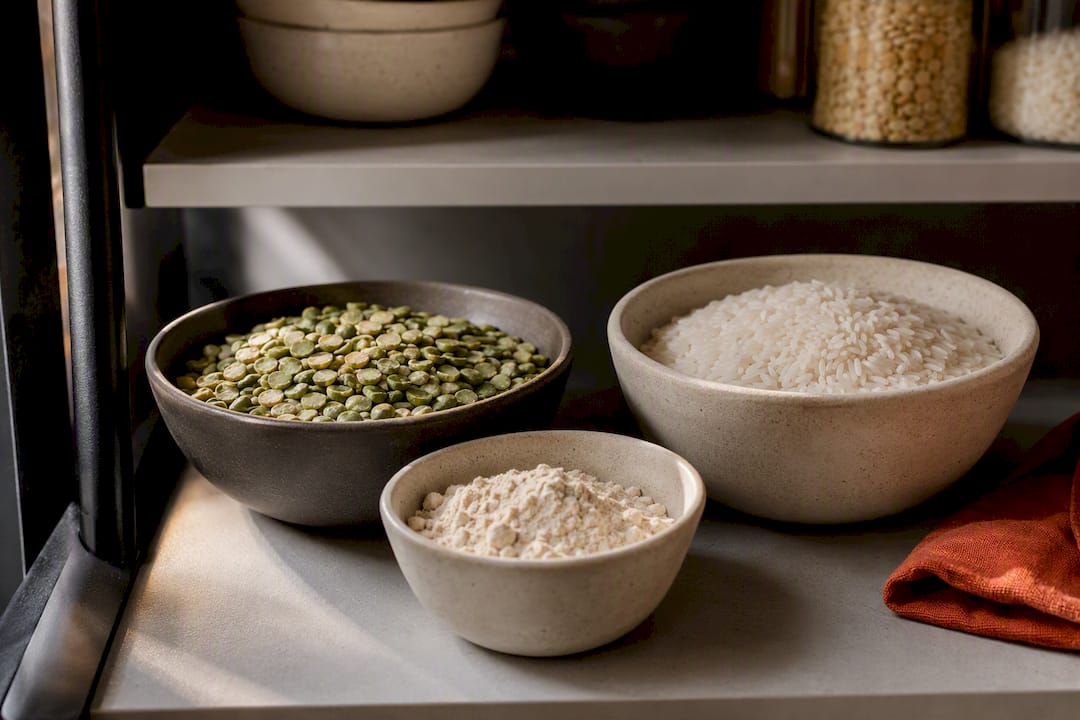
The mistake most people make isn't picking the "wrong" protein type. It's buying a plant powder built like a smoothie additive and expecting it to perform like a muscle-building supplement.
The Myths That Won't Die, And What's Actually True
A few claims about both protein types keep circulating despite not holding up well against the actual evidence.
"Whey protein damages your kidneys." This claim gets repeated constantly with zero qualifiers, and it's misleading as stated. High protein intake in people with pre-existing kidney disease is a legitimate medical concern that deserves supervision from a doctor. In people with healthy kidneys, there's no strong evidence that typical whey protein intake causes damage. If you have known kidney issues, that's a conversation for your physician, not a gym forum.
"Plant protein can't build muscle." Already addressed above in detail, and the answer is straightforward: it can, when it's formulated with enough leucine and total protein. The trials showing plant blends matching whey's MPS response weren't using magic ingredients, just correct dosing.
"Whey protein causes acne." There's a documented association between dairy intake broadly and acne flare-ups in some individuals, likely tied to hormonal compounds naturally present in milk. This is a real, individual sensitivity worth tracking if you notice a pattern, not a universal side effect everyone should expect.
Beyond the myths, there's a real trade-off worth naming honestly: plant proteins generally carry a meaningfully lower environmental footprint than whey, since dairy production is more resource-intensive than crop-based protein production. That's a legitimate reason to lean plant if sustainability matters to you personally, but it shouldn't override your training goals if whey is what actually gets you to your leucine target with less friction.
Plant protein does bring one underrated bonus most amino acid charts ignore entirely: many plant sources carry iron, magnesium, and phytonutrients that whey simply doesn't have. That's not a reason to switch on its own, but it's a legitimate tiebreaker if you're already choosing between two well-formulated options.
How Ironatforty Built This Guide, And What It Means If You're Over 40
We built this guide around a simple filter: randomized controlled trials and meta-analyses first, marketing claims never. The 2026 systematic review comparing plant and animal proteins, and the two crossover trials on leucine-fortified plant blends, carried the most weight in every recommendation above because they measured actual muscle protein synthesis, not just amino acid content on a label.
Here's the piece that matters most if you're over 40 and reading this: your muscle tissue doesn't respond to protein the way it did at 25. Anabolic resistance is real, documented, and it means the same 20 gram scoop that used to trigger a strong MPS response now needs a bigger dose and a higher leucine hit to do the same job. That's not a reason to panic. It's a reason to get specific about your numbers instead of eyeballing a scoop.
Quick reference for applying everything above:
| Reader profile | Protein per meal | Leucine target | Best-fit protein choice |
|---|---|---|---|
| Active adult, under 40 | 25–30 g | 2.5 g | Either whey isolate or fortified plant blend |
| Active adult, 40–60 | 30 g | 2.5–3 g | Whey isolate for convenience, or leucine-fortified plant blend |
| Active adult, 60+ | 40 g | 3 g | Whey isolate preferred unless dietary restriction requires plant |
| Vegan or dairy-free, any age | 30–40 g (larger serving) | 2.5–3 g | Multi-source plant blend with added leucine |
A few practical notes to pair with that table:
- If you're not sure what your daily protein target should be in raw grams, run your numbers through the TDEE calculator first. Protein targets are easier to hit accurately once you know your actual daily calorie need.
- Pair whichever protein source you choose with a structured resistance program. Our guide to building muscle after 40 covers the training side of this equation, because protein without progressive overload doesn't build much of anything.
- If timing your intake around workouts is still confusing, our breakdown on protein timing after 40 covers the specific windows that matter most as anabolic resistance increases.
Allergies and Sensitivities Worth Knowing Before You Buy
Whey's biggest allergy concern is dairy. True milk protein allergy is different from lactose intolerance. It's an immune response to the proteins themselves, not a digestive enzyme deficiency, and it shows up as hives, swelling, or GI distress even with lactose-free whey isolate. If you have a diagnosed dairy allergy, whey isolate won't solve the problem the way it solves lactose intolerance, because the allergen is the protein, not the sugar.
Plant proteins carry their own allergen profile. Soy protein is a recognized major allergen and shows up on every food allergy label for a reason. Pea protein allergy is less common but rising in reported cases, particularly among people with existing legume sensitivities like peanut allergy, since peas and peanuts share some structural similarities in their proteins. Rice protein is one of the least allergenic options available, which is part of why it shows up so often in blends aimed at sensitive stomachs.
If you have any diagnosed food allergy, read the full ingredient panel, not just the front label. Cross-contamination during manufacturing is common in both whey and plant protein facilities, and "may contain" warnings exist for a legitimate reason.
What You'll Actually Pay, And What That Buys You
Whey protein isolate generally costs less per gram of protein than most plant protein blends, largely because dairy protein production infrastructure is more mature and whey itself is a byproduct of cheese manufacturing rather than a standalone crop that has to be grown specifically for protein extraction.
Plant protein blends cost more for a straightforward reason: combining multiple sources (pea, rice, soy) and fortifying with additional leucine or BCAAs adds manufacturing steps that a single-source whey isolate skips entirely. The more engineered the formulation, the higher the price tag usually climbs.
Accessibility has shifted a lot in the past several years. Plant protein used to be a specialty item found mostly in health food stores at a premium. It's now standard stock in most grocery chains and big box retailers, which has narrowed the price gap considerably even if it hasn't closed it completely. If cost is your primary constraint, whey isolate remains the more budget-friendly path to hitting your daily protein target, gram for gram.
Why Taste and Texture Still Decide More Purchases Than Amino Acid Charts
Here's an uncomfortable truth: the "best" protein on paper is worthless if you can't stand drinking it, and this is where plant protein has historically lost the most ground with consumers.
Whey isolate mixes into a smooth, relatively neutral shake that blends well with milk, water, or a smoothie base. Plant proteins, especially pea and rice based ones, have a reputation for a grittier, chalkier texture and an earthier, sometimes bitter flavor that's harder to mask. Manufacturers have made real progress here with better flavoring systems and micro-filtration techniques that reduce grit, but the gap hasn't fully closed.
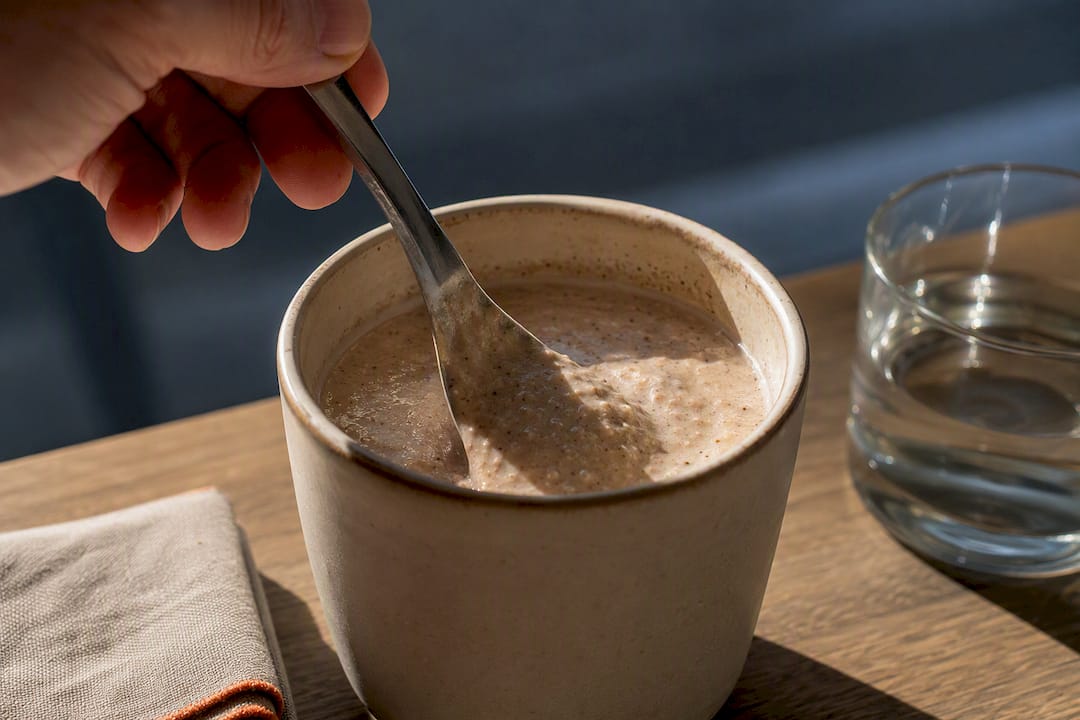
If texture and taste are the reason you've avoided plant protein in the past, that's a legitimate consideration, not a minor preference to push through. The protein you'll actually drink consistently beats the theoretically superior protein sitting unused in your pantry.
Where Each Protein Fits Into Your Actual Diet
Whey's biggest practical advantage is speed and versatility. It mixes fast, works in a shaker bottle with just water, and slots easily into baking, oatmeal, or a quick post-gym shake without much thought.
Plant protein tends to show up most often in two contexts: dietary necessity (vegan, vegetarian, or dairy-free eating patterns) and general wellness positioning, where consumers reach for it as part of a broader "less processed animal product" approach to eating rather than a pure performance decision. Both use cases are legitimate. The key is matching your formulation choice to your actual reason for choosing plant protein in the first place, since a fitness-focused vegan lifter has very different formulation needs than someone using a scoop of pea protein occasionally in a morning smoothie.
Does Protein Type Change How Full You Feel After Eating?
Both whey and plant protein support satiety, but the mechanisms and practical effects differ slightly. Whey protein has a well-documented reputation for producing a strong satiety response relatively quickly after ingestion, which is part of why it's a popular choice in weight management contexts specifically.
Plant proteins, particularly those still carrying residual fiber from less-refined processing, can add a satiety benefit through a different pathway: fiber slows gastric emptying and adds bulk, which contributes to fullness independent of the protein content itself. That said, isolate-grade plant proteins strip out most of that fiber to improve digestibility, which means you may lose some of that fiber-driven fullness benefit in exchange for better GI tolerance.
For weight management purposes, the practical difference between the two is smaller than most marketing suggests. Total protein intake across the day and overall diet quality drive satiety far more than which specific protein source you're using in a single shake.
The Take Most Guides Won't Give You
The fitness industry loves a clean villain and hero story, whey good, plant bad, or the reverse for the wellness crowd. The actual evidence doesn't support either extreme. What it supports is something less exciting but more useful: origin matters less than formulation, and formulation matters less than consistency.
Where conventional advice actually fails readers over 40 is in treating "just eat more protein" as sufficient guidance. It isn't. Anabolic resistance means the per-meal leucine target matters as much as the daily total, and most generic protein advice never mentions leucine at all. That's the gap this guide was built to close.
If you take one thing from this article, make it this: check the leucine number before you check the brand name, the flavor, or whether it's plant or whey. That single number tells you more about whether a protein will actually work for your training than almost anything else on the label.
— Iron@40 Staff
Free Tools To Help You Apply This
Ironatforty doesn't sell protein powder, and that's exactly why you can trust the numbers in this guide. We're not trying to steer you toward a tub on a shelf. We're trying to get your per-meal leucine and daily protein targets right, whether you land on whey, a plant blend, or some rotation of both depending on the day.
Start with the TDEE calculator to nail down your actual daily calorie need, since your protein target only makes sense once that number is set. From there, our protein intake guide for lifters over 40 walks through exact per-meal targets based on your age and training volume, and our broader nutrition section covers how protein fits into the rest of your eating pattern, including meal prep for insulin resistance. If you're building or rebuilding a training program to go with your new protein numbers, the free tools hub has everything else you need in one place. Run your numbers today and stop guessing at scoop sizes.
This article is general information, not a substitute for advice from a qualified doctor. Consult a qualified healthcare professional about your own circumstances before acting on anything here.
Sources
- Effects of Plant- vs Animal-Based Proteins on Muscle Protein Synthesis: Systematic review and meta-analysis (2026)
- Plant protein blend stimulates MyoPS equivalently to whey (2024, PMC11810040)
- Protein quality and DIAAS (Journal article)
FAQ
Which is healthier, plant protein or whey protein?
Neither is definitively healthier for most people; the right choice depends on your dietary restrictions, tolerance, and goals. Whey has a slight edge for muscle-building speed and leucine density, while plant protein offers lower environmental impact and added micronutrients for those without dairy sensitivities.
What are the downsides to plant protein powder?
Single-source plant proteins often deliver less leucine and a lower DIAAS score than whey, and less refined versions can cause bloating from residual fiber and oligosaccharides. Both issues are largely solved by choosing a leucine-fortified blend or an isolate-grade product.
Can plant protein build muscle?
Yes. Trials show that properly formulated plant blends with roughly 2.5 grams of leucine and 32 grams of protein per serving stimulate muscle protein synthesis on par with an equivalent whey dose. The key is formulation and dose, not the plant origin itself.
Why stay away from whey protein?
You don't need to avoid whey unless you have a dairy allergy, lactose intolerance, or a specific medical condition like existing kidney disease that requires monitored protein intake. For most healthy adults, whey is a well-tolerated and effective protein source with no evidence of routine harm.