Walk into any gym, scroll any fitness feed, and you'll find people arguing about the perfect training split like it's a religious war. Push-pull-legs versus upper-lower. Four days or five. Bro split or full body. Everybody's hunting for the magic arrangement of days that finally unlocks the body they want.
Here's the thing nobody wants to hear: the split is almost never what's holding you back. There's a hidden variable inside every successful program, and it isn't in the program at all.
It's the eating. And whether or not you've decided to take it as seriously as the training.
The split is the easy part
A training split is just a schedule. It's the visible, fun, postable part — the part you can argue about online. And honestly, most splits work fine. Push-pull-legs works. Upper-lower works. A sensible full-body works. If your program has compound lifts, progressive overload, and enough recovery, the specific arrangement of days is a rounding error.
What actually decides whether you drop the fat or build the muscle is what happens in the twenty-two hours you're not in the gym. And that's the part people leave to chance — the same people who'll spend three hours researching the optimal split will eat however they feel that day and wonder why the mirror isn't moving.
You can't out-train a goal you refuse to feed. If you want to lose twenty pounds, or finally put on real muscle, the split isn't the lever. The food is. And the food only works when you decide it matters.
Get as serious about the food as the goal
There's a line from Eric Thomas — the speaker they call ET, the Hip Hop Preacher — that gets quoted to death because it's true: "When you want to succeed as bad as you want to breathe, then you'll be successful."
People love that quote for training. They'll grind through a brutal session and feel hardcore. Then they'll go home and eat like the goal is optional. That's not wanting it as bad as you want to breathe. That's wanting it when it's convenient and dramatic.
If you're chasing a real goal — a body recomposition, a weight class, looking like you actually lift — you have to bring the same seriousness to the plate that you'd bring to a PR attempt. You wouldn't show up to a meet having "kind of" trained. So why chase a physique goal having "kind of" eaten?
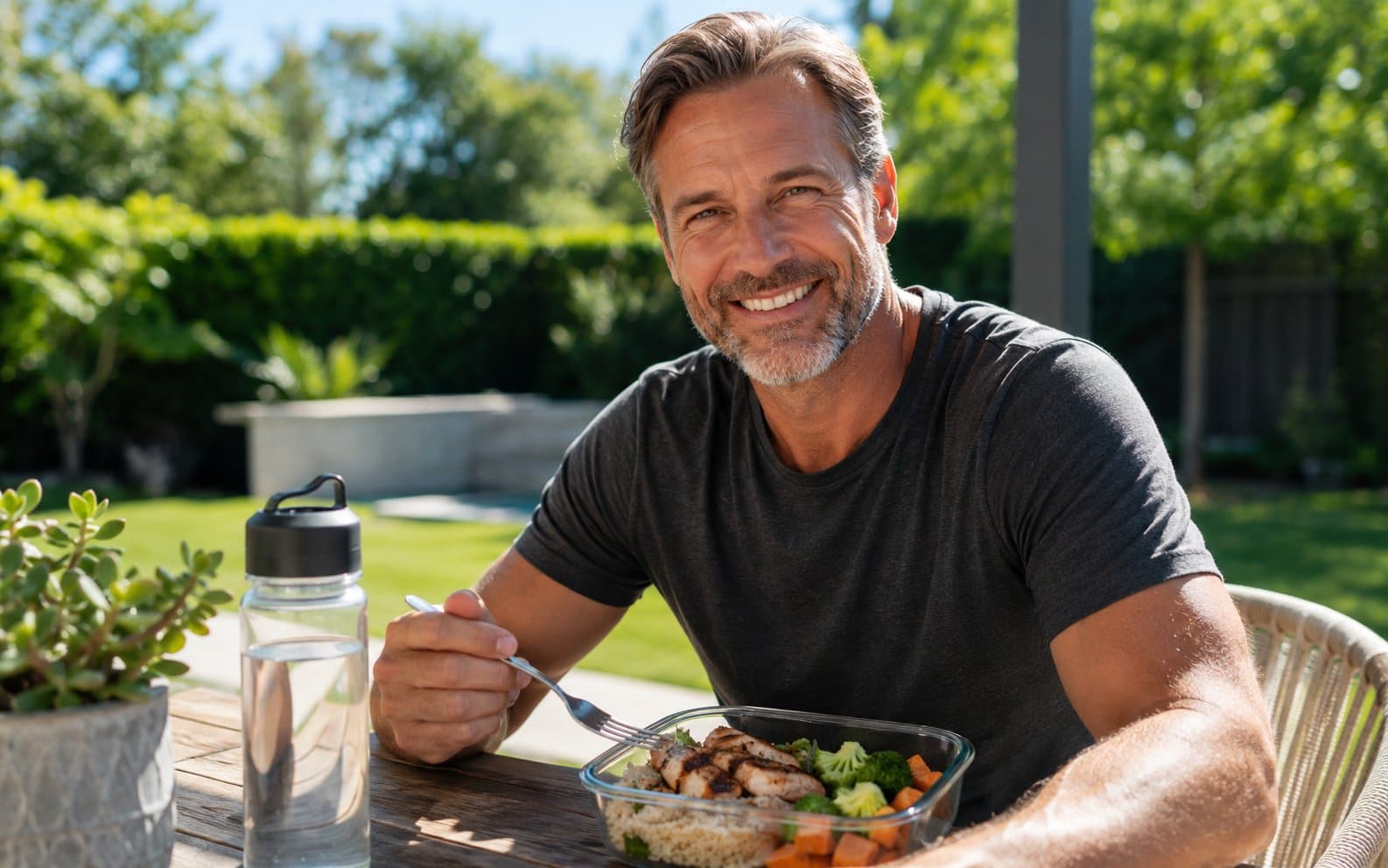
This is the part the comfortable crowd skips. Getting serious about food isn't glamorous. It's hitting your protein when you don't feel like it. It's prepping on a Sunday when you'd rather not. It's the boring, repeated, unsexy work — and it's exactly the work that separates the people who reach the goal from the people who keep rearranging their split forever.
You're not too old, and it's not too late
Here's the part I need you to actually believe: none of this has an expiration date.
The "I'm too old to change my body" story is the most convenient lie in fitness, because it lets you off the hook. I've watched people start in their fifties and recomp harder than guys half their age — not because their hormones were better, but because they finally got serious. They stopped treating nutrition as a someday project and started treating it as the goal it actually was. The body responds to that at any age. The ceiling is lower and it arrives slower after 40, but it is absolutely still moving if you do the work.
Everything is still possible. You just have to want it badly enough to feed it.
How to actually get serious (without going insane)
Serious doesn't mean miserable, and it doesn't mean perfect. It means deliberate. A few moves that turn intention into results:
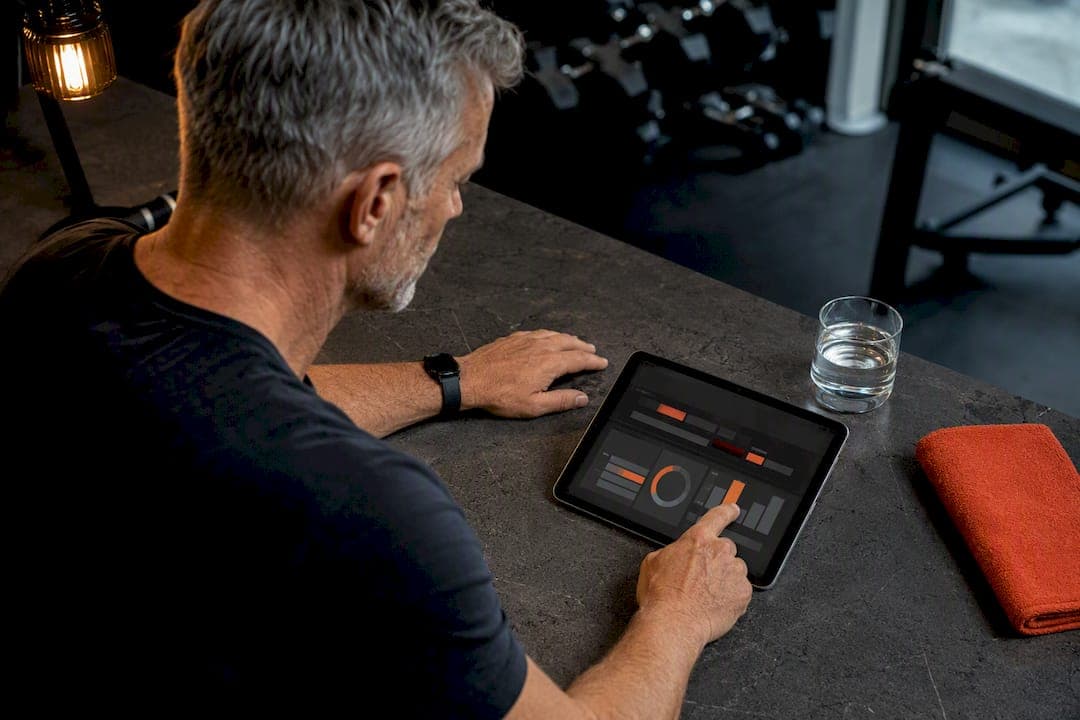
- Know your number. You can't drive a goal you've never measured. Our TDEE calculator gives you an honest maintenance figure — the baseline you eat above to build or below to lean out. Guessing is how people stall for years.
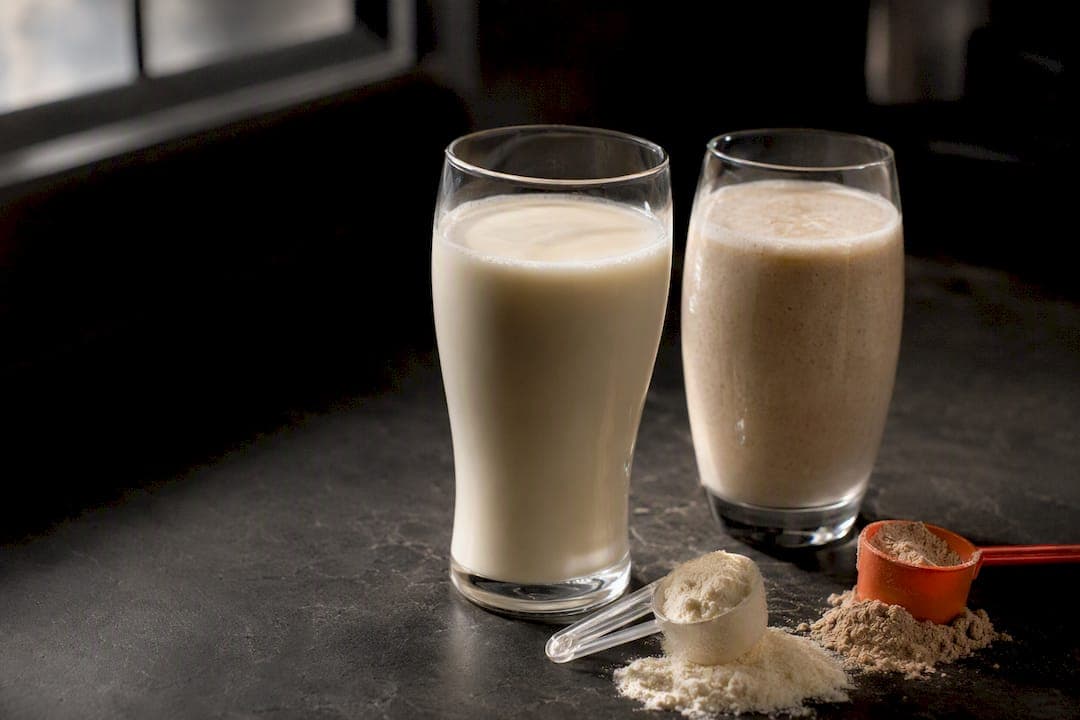
- Make protein non-negotiable. It's the raw material for everything you're asking your body to do. Hit it like you hit your top set — every day, no excuses.
- Remove the decisions. Most diets die from decision fatigue, not weakness. Meal prep without losing your mind is about making the right choice before hunger makes the wrong one for you.
- Treat it as a trainable skill, not a willpower contest. The crew at Center Mass Strength framed this perfectly — their piece on why nutrition is a skill you train like your bench press makes the case that eating well is practiced, not summoned. It's the best argument I've seen for being patient with yourself while still being serious.
- Let a system carry the planning. When the logistics get heavy, offload them. A tool like WizeMeals builds the plan and the grocery list around your goal, so your effort goes into following through instead of architecting a menu at 9pm on a Sunday.
(If you're carrying some of the metabolic baggage a lot of us pick up after 40, it's worth understanding insulin resistance before you set your numbers — it changes the math.)
The bottom line
The hidden thing inside every successful training split isn't a clever arrangement of days. It's a person who decided the goal mattered enough to feed it properly — and then did the boring work, every day, until the results showed up.
You can keep rearranging your split forever. Or you can get as serious about the food as you are about the goal, and finally give the training something to actually build. You're not too old. It's not too late. You just have to want it as bad as you want to breathe.
This is training and nutrition perspective, not individualized dietary or medical advice. If you're managing a specific condition, work with a registered dietitian.